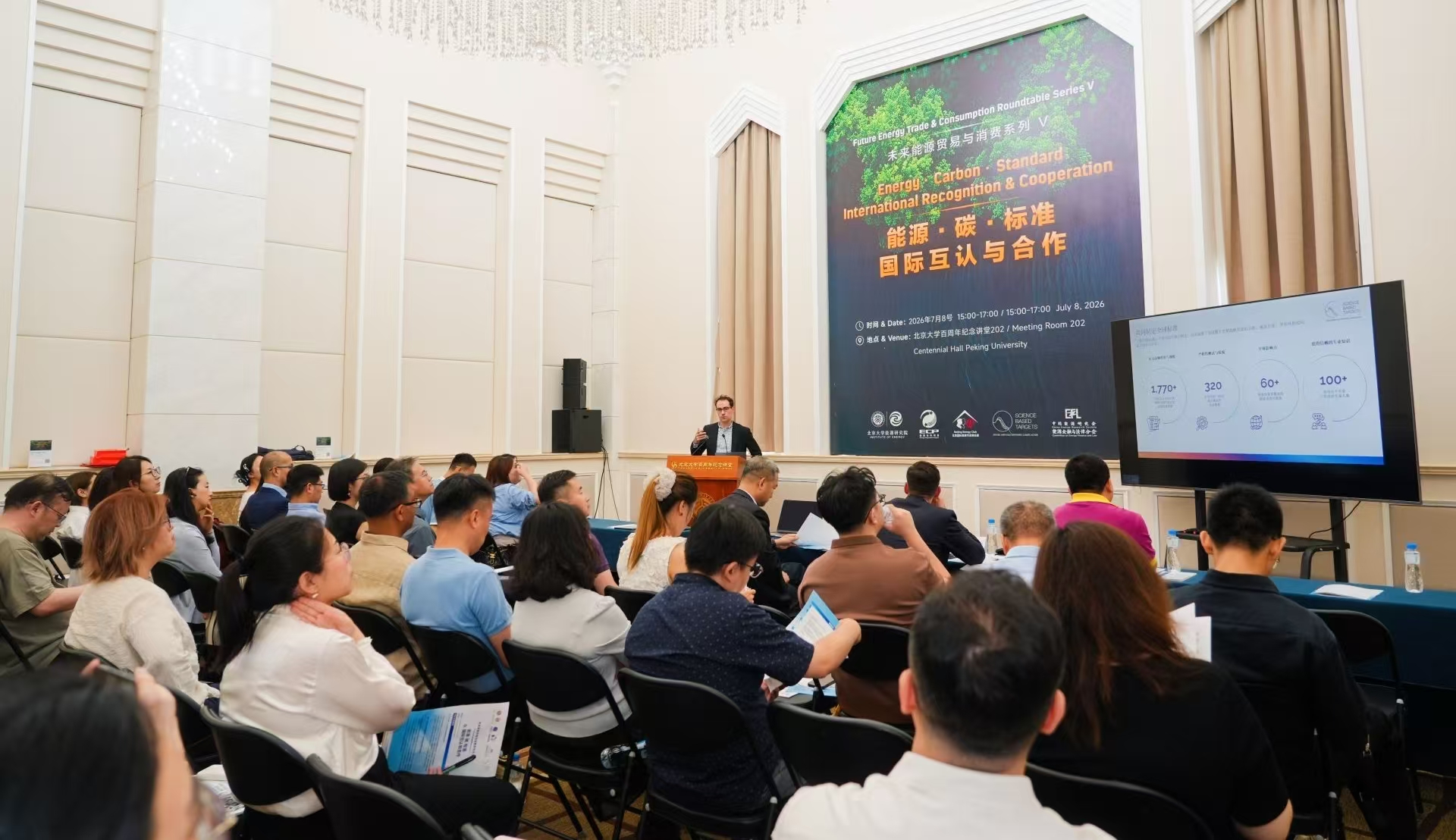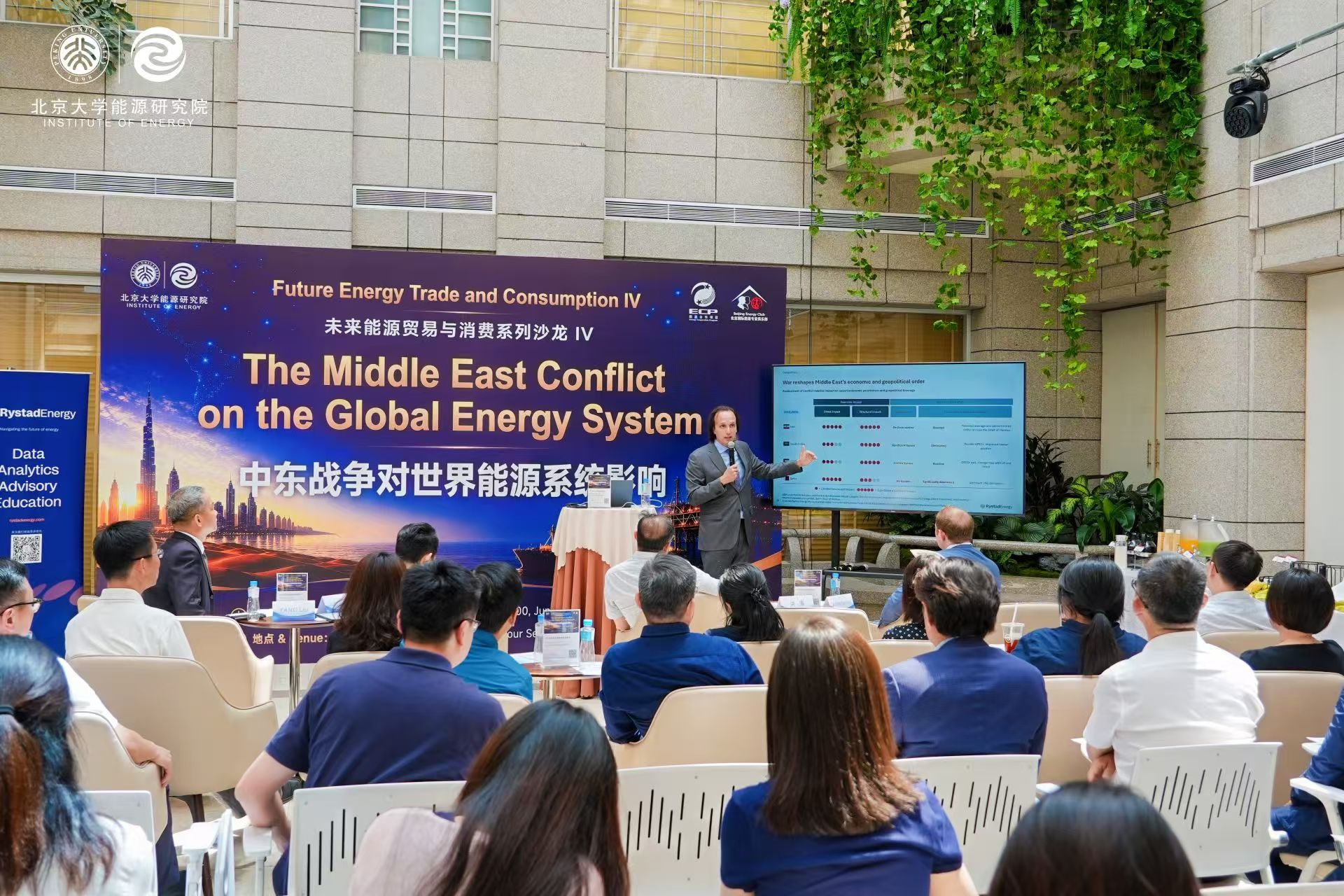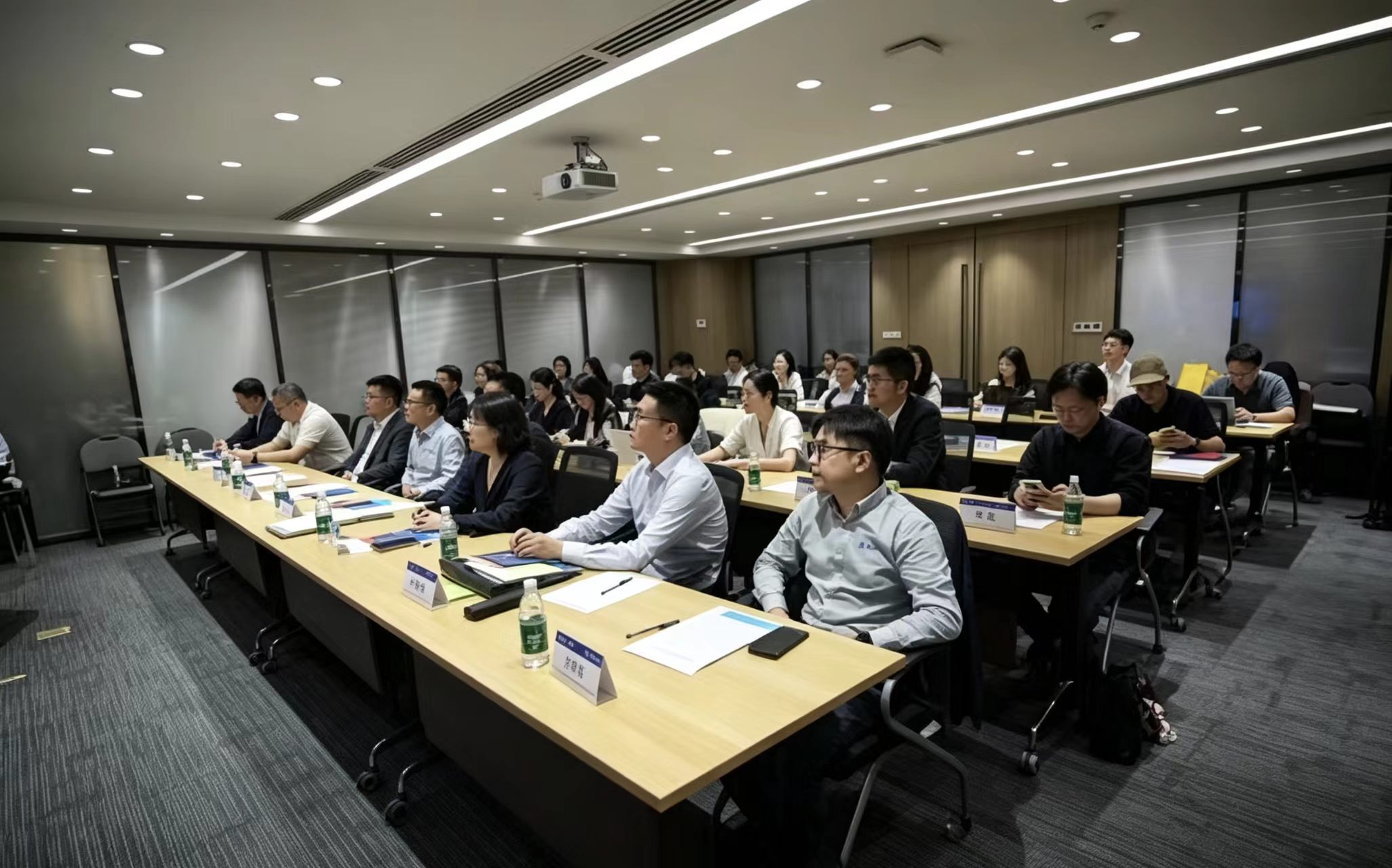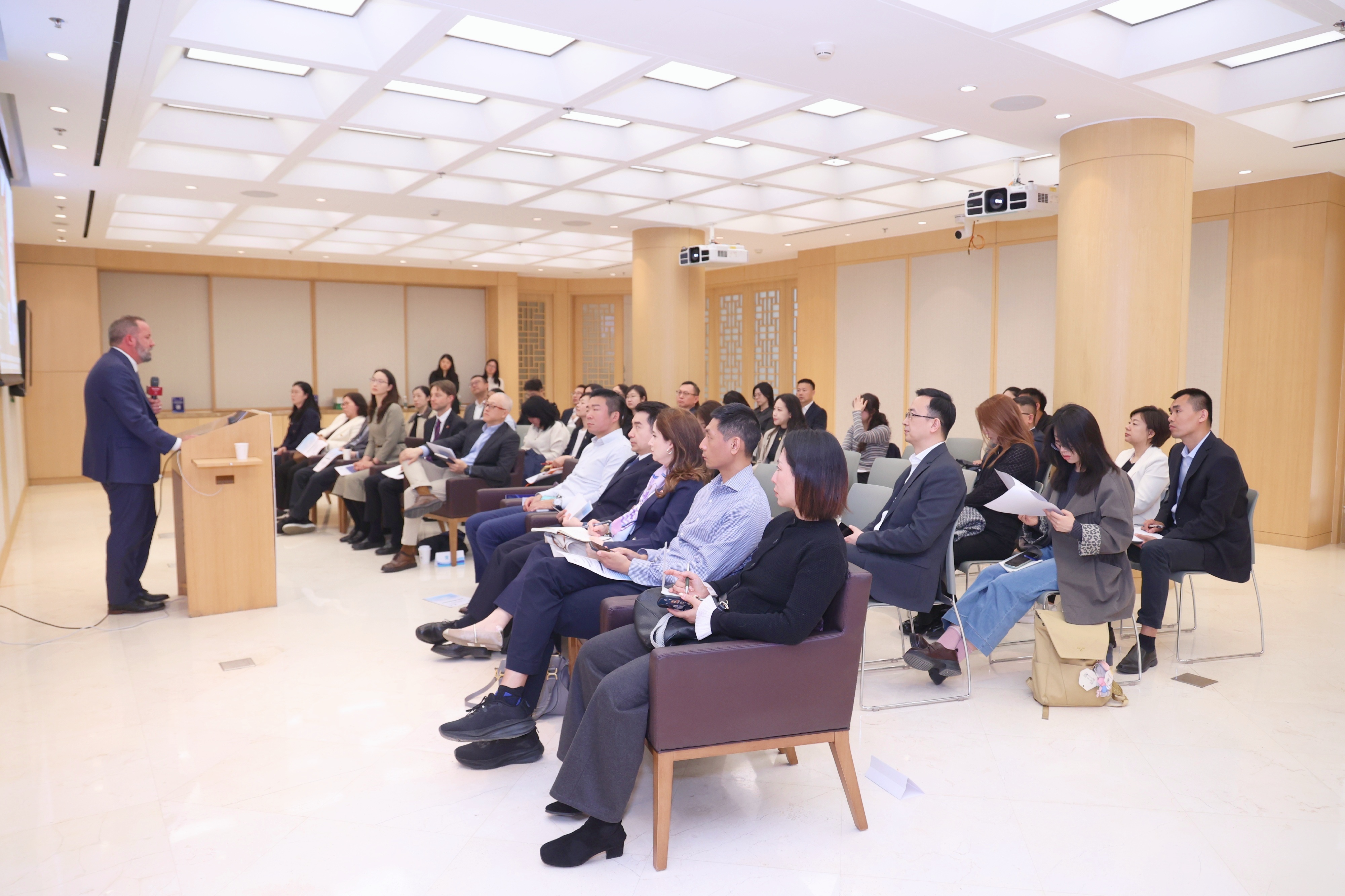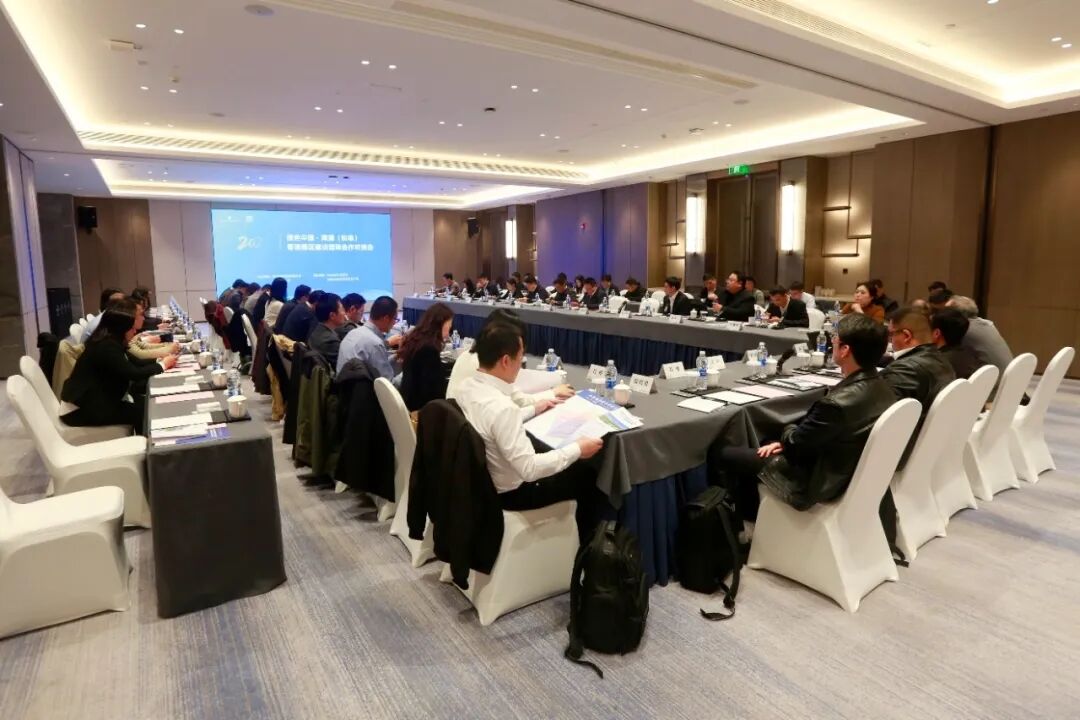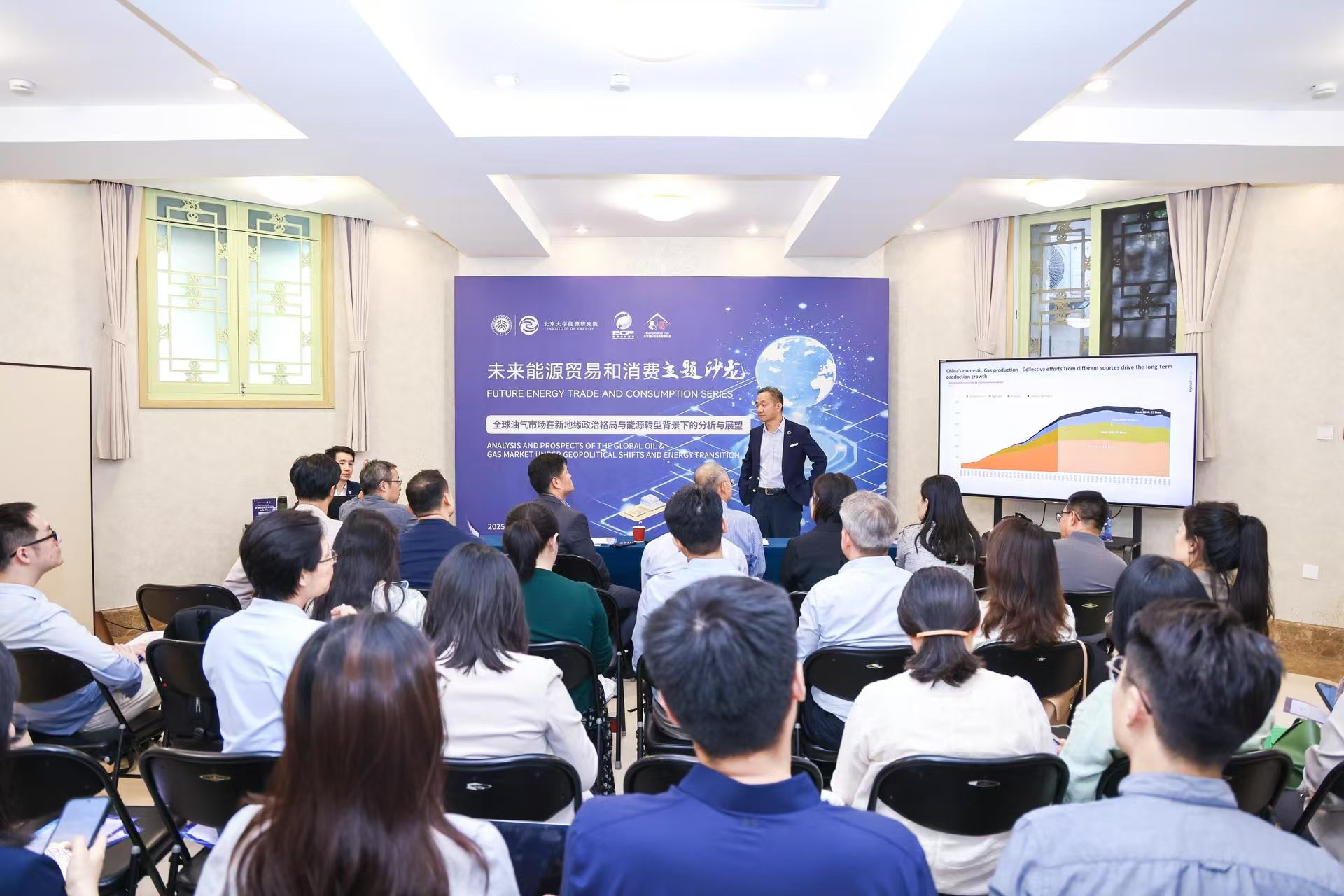
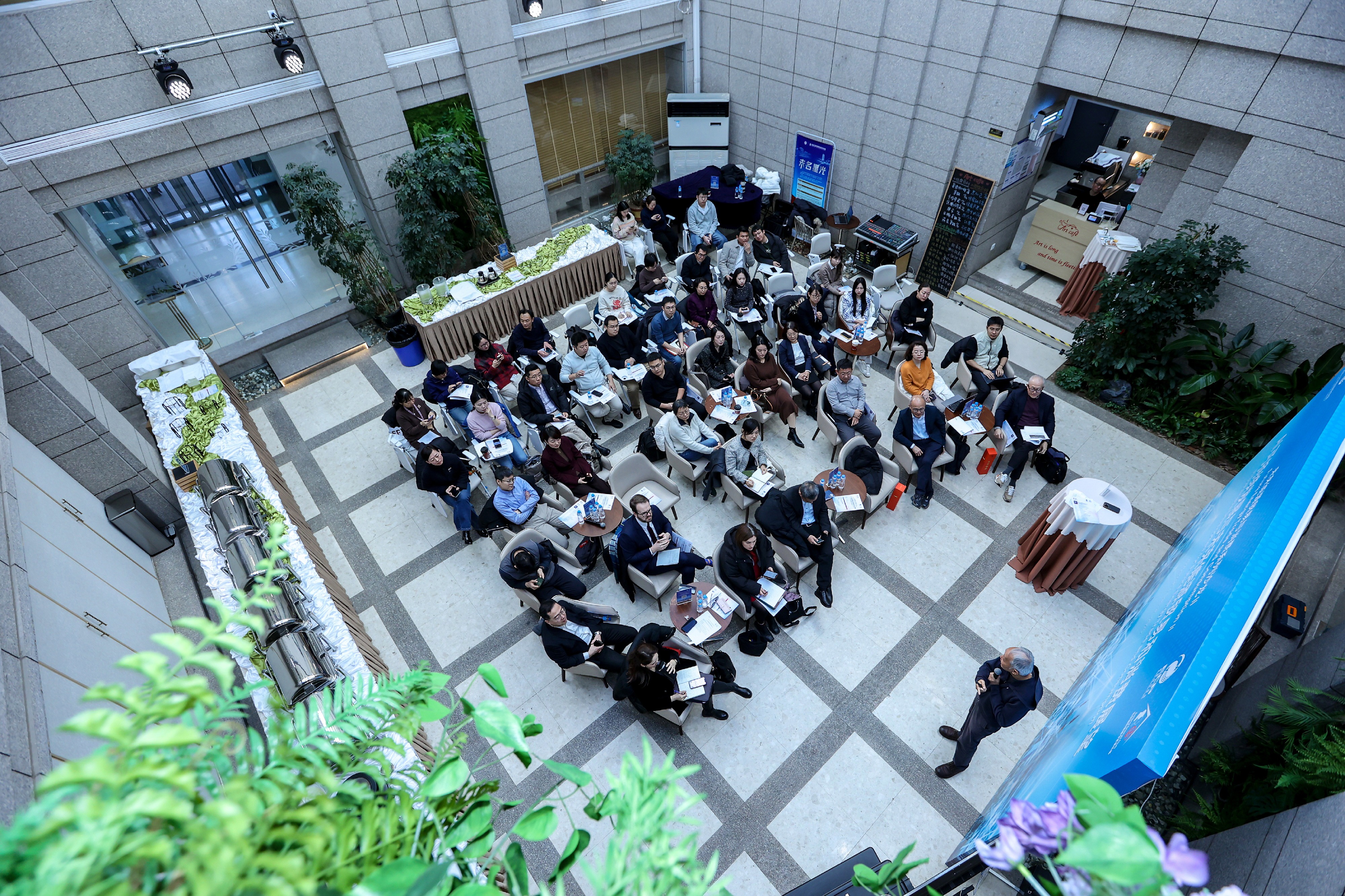
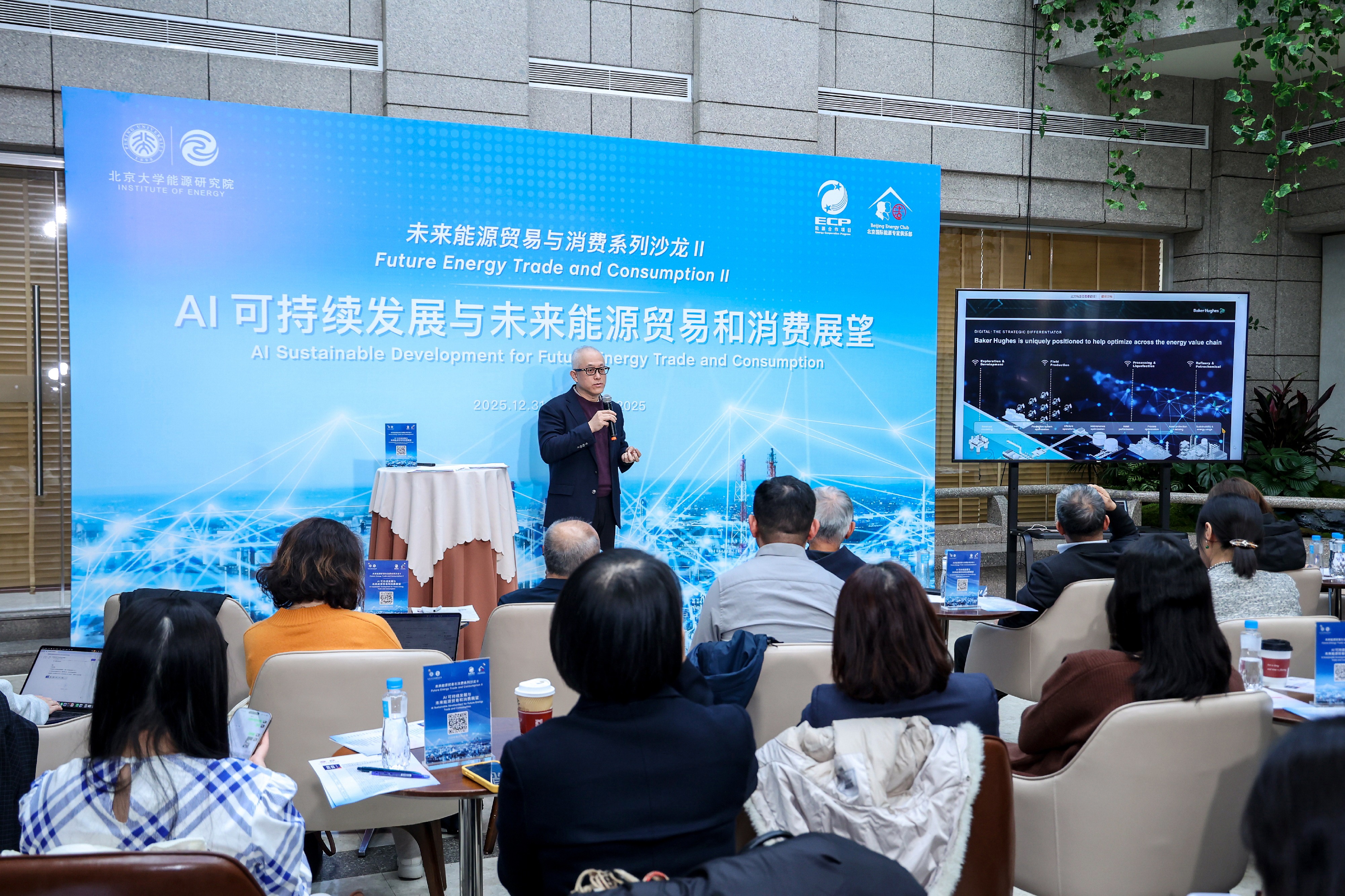
On December 31, 2025, ECP, in partnership with the Institute of Energy at Peking University (IEPKU) and the Beijing Energy Club, convened the second session of the Future Energy Trade and Consumption Salon Series at the Four Seasons Hall of Peking University. Themed Sustainable AI Development and the Future of Energy Trade and Consumption. It brought together approximately 50 representatives from government agencies, foreign missions, industry associations, research institutions, and international and Chinese energy and technology companies to examine the links among artificial intelligence, the energy transition, and changes in energy trade and consumption.
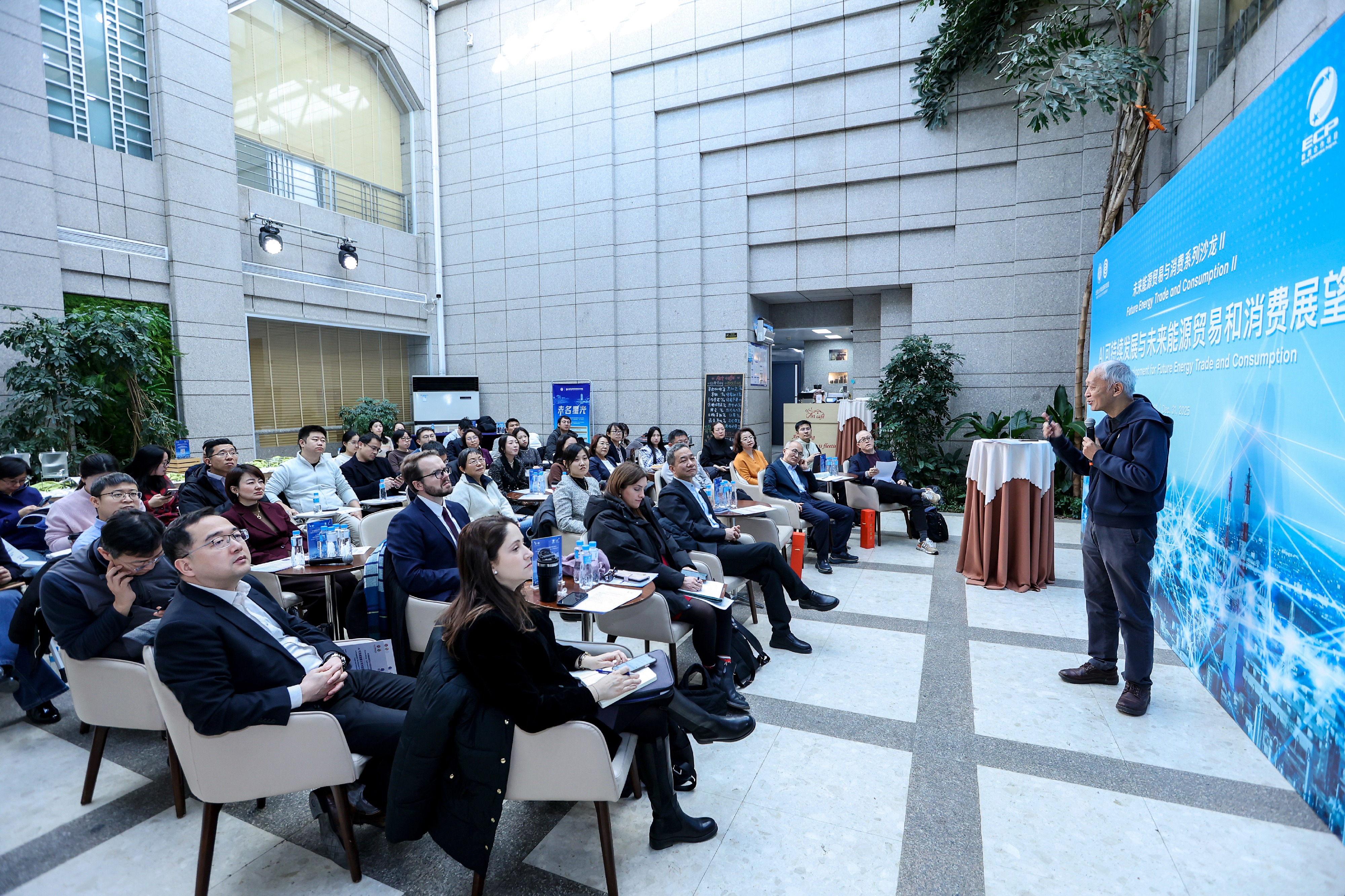
Mr. Yongping Zhai, Senior Advisor to the Strategy Development Department of Tencent, delivered the keynote presentation, “Outlook for Sustainable AI Development and the Future of Energy Trade and Consumption.” He organized his presentation around four themes: developments in the global energy sector in 2025; the two-way relationship between “Energy for AI” and “AI for Energy”; revisions to greenhouse gas accounting standards; and the outlook for future energy consumption and trade. He noted that the global energy system is characterized by the coexistence of old and new: fossil fuels remain an important foundation of energy supply and trade, while renewables and nuclear power are expanding rapidly. At the same time, structural overcapacity, energy poverty, infrastructure gaps, and insufficient climate finance continue to constrain an equitable transition.
Mr. Yongping Zhai, Senior Advisor to the Strategy Development Department of Tencent, delivered the keynote presentation, “Outlook for Sustainable AI Development and the Future of Energy Trade and Consumption.” He organized his presentation around four themes: developments in the global energy sector in 2025; the two-way relationship between “Energy for AI” and “AI for Energy”; revisions to greenhouse gas accounting standards; and the outlook for future energy consumption and trade. He noted that the global energy system is characterized by the coexistence of old and new: fossil fuels remain an important foundation of energy supply and trade, while renewables and nuclear power are expanding rapidly. At the same time, structural overcapacity, energy poverty, infrastructure gaps, and insufficient climate finance continue to constrain an equitable transition.
Addressing the additional electricity demand created by AI, Mr. Zhai cited an International Energy Agency projection that global data-center electricity consumption could reach approximately 945 TWh by 2030, just under 3% of global electricity use and more than double the 2024 level. China and the United States are expected to account for nearly 80% of the increase. The central energy challenge for AI is therefore not only to secure reliable and low-carbon electricity for computing, but also to reduce energy use and emissions across the full life cycle of AI systems.AI can also serve as a powerful efficiency tool. Model compression, hardware-software co-design, and more efficient chips can reduce training and inference energy use. Across the energy system, AI is already being applied to renewable generation forecasting, grid optimization, and demand-side management in industry, transport, and buildings. Mr. Zhai emphasized a time lag between AI's immediate energy demand and the later realization of its efficiency benefits. Over the next three to five years, improvements in computing efficiency, greater availability of green power, and the scaled deployment of energy-saving applications could allow a net energy-saving effect to emerge; over the longer term, the resulting savings could be several times greater than AI's own energy use.On carbon accounting, Mr. Zhai highlighted the proposed revision of the GHG Protocol Scope 2 standard. Current practice often relies on static average emission factors, provides limited comparability across companies, and may blur the distinction between genuine abatement and offsetting. The proposed revision strengthens dual reporting under the Location-Based Method and Market-Based Method, while introducing more rigorous requirements for hourly matching, geographic matching, and physical deliverability of contractual instruments such as renewable energy certificates and power purchase agreements. Corporate action would consequently move beyond annual certificate purchases toward more granular management of electricity loads and carbon flows using long-term PPAs, load profiles, and real-time carbon data.
Looking ahead, Mr. Zhai described energy security, affordability, and decarbonization as the enduring energy trilemma. As AI-related loads rise and intermittent renewables account for a larger share of generation, fossil fuels combined with CCUS will continue to provide a reliability backstop, while AI can accelerate technology development, enable joint optimization across energy, power, carbon, and computing markets, and improve supply-demand risk forecasting. Companies with distributed solar, storage, and electric-vehicle fleets can also evolve from consumers into “prosumers,” using virtual power plants to participate in spot electricity, ancillary-service, and carbon markets. He further called for international mutual recognition of energy attribute certificates and hourly-matched green certificate standards to provide multinational companies with credible procurement pathways.
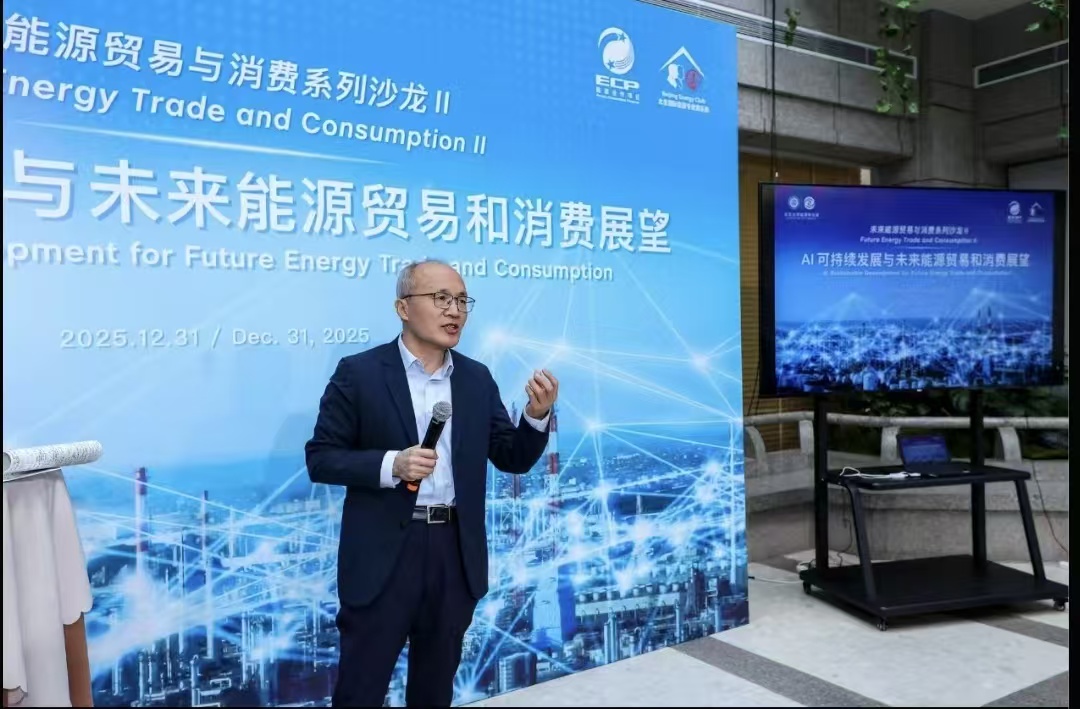
The hosts also invited Dr. An Fengquan of the Institute for Climate Change and Sustainable Energy Development at Qingdao University of Science and Technology, and Mr. Cao Yang, Vice President and President of China at Baker Hughes and Co-Chair of ECP, shared their insights and comments. Drawing on research into climate change and sustainable energy, as well as multinational energy strategy and industry practice, they exchanged views on AI applications, the low-carbon transition, energy-system resilience, and cross-sector innovation.
Participants then exchanged views on AI-energy integration, corporate low-carbon transition, carbon accounting standards, and international cooperation. ECP will continue to use the Salon Series to connect international and Chinese energy companies, policymakers, and research institutions, while promoting professional exchange, cross-sector matchmaking, and practical cooperation.