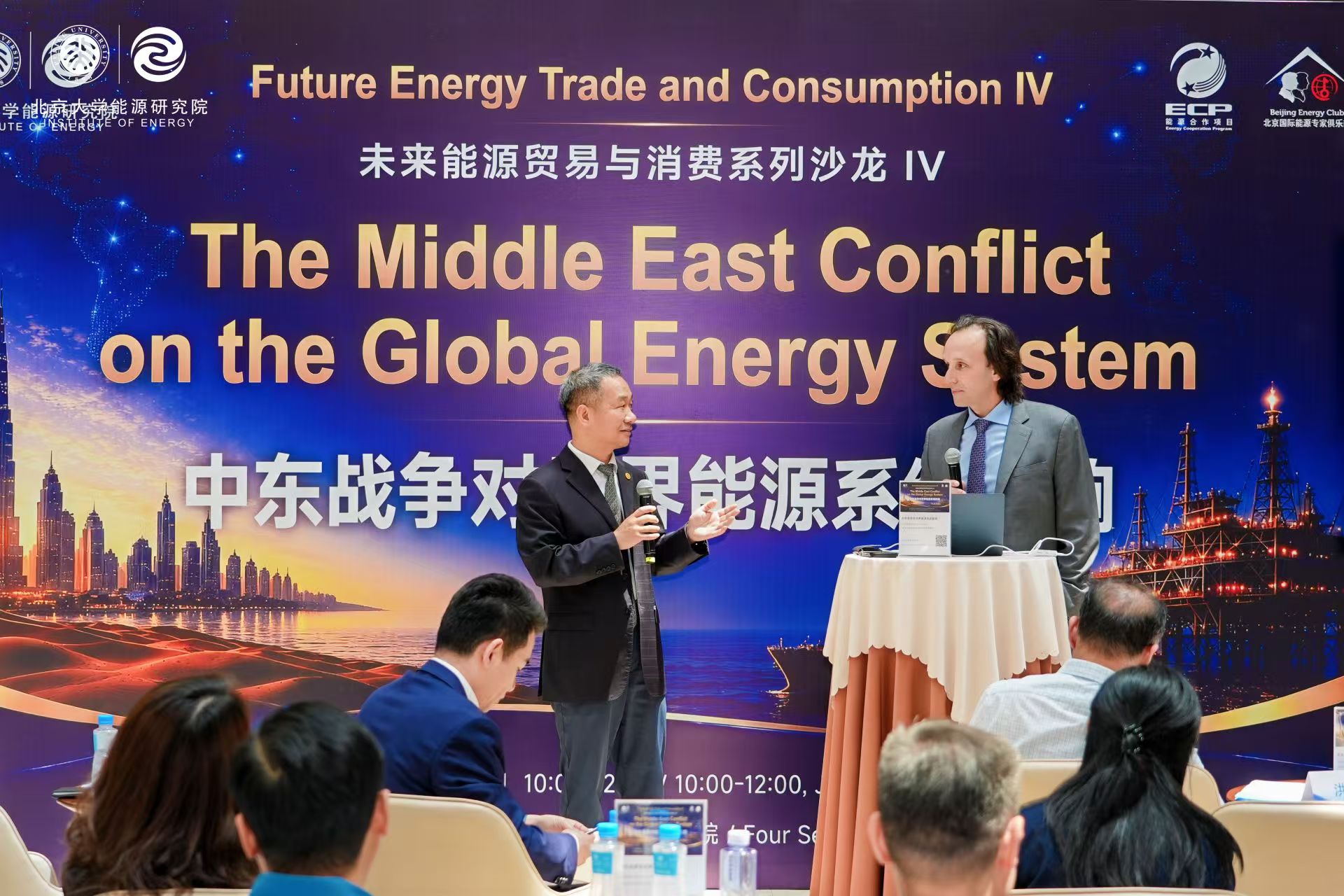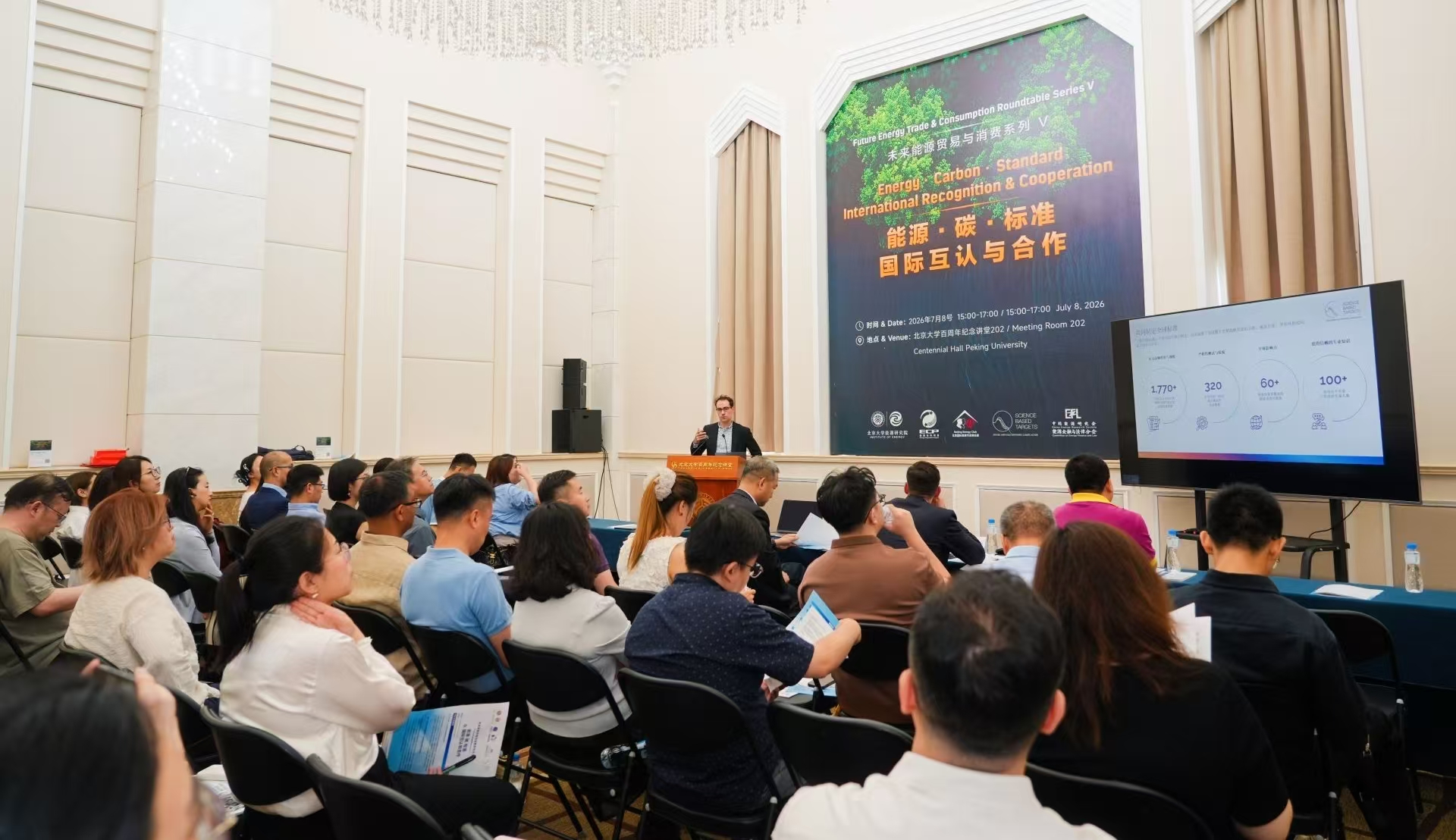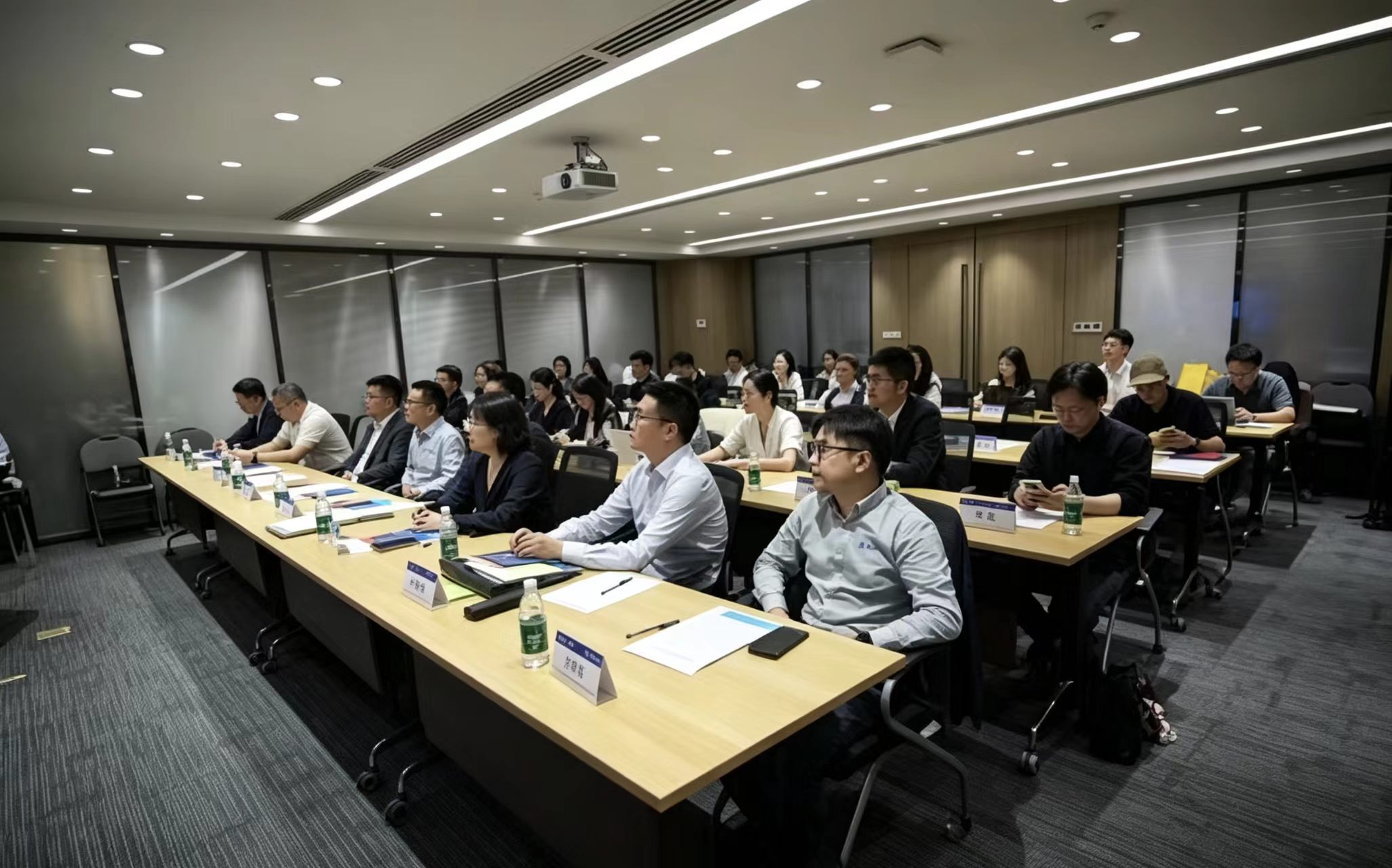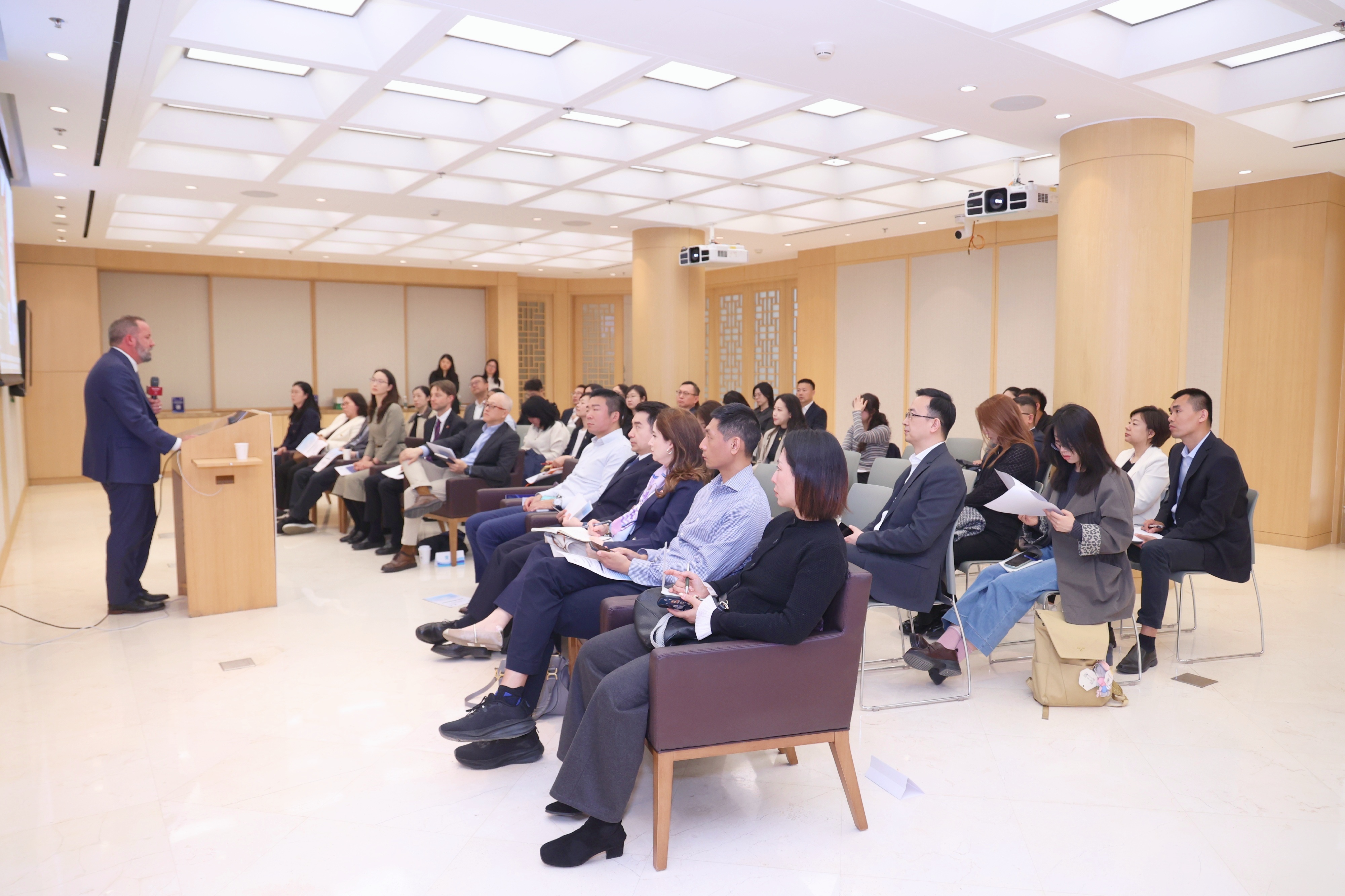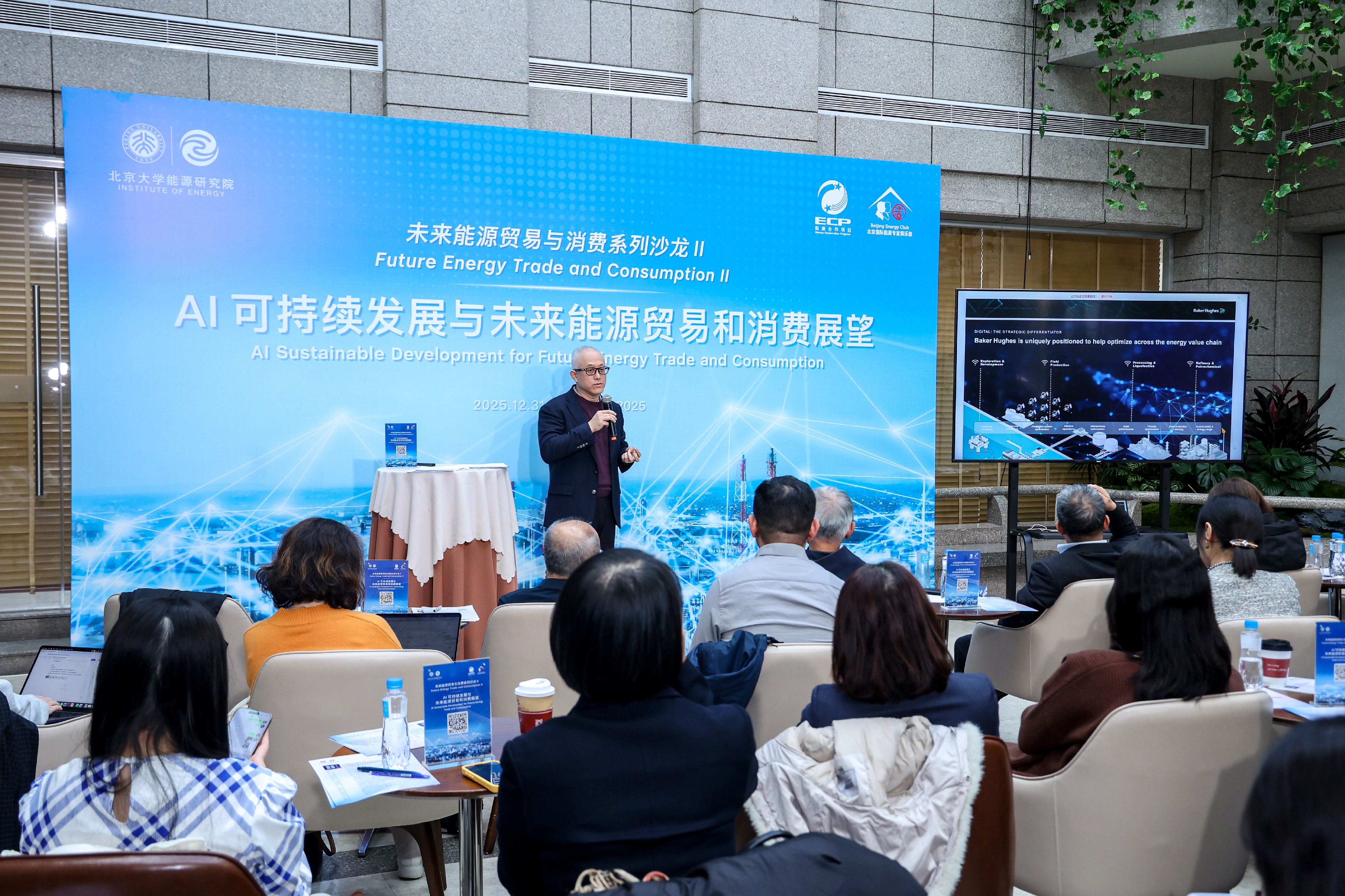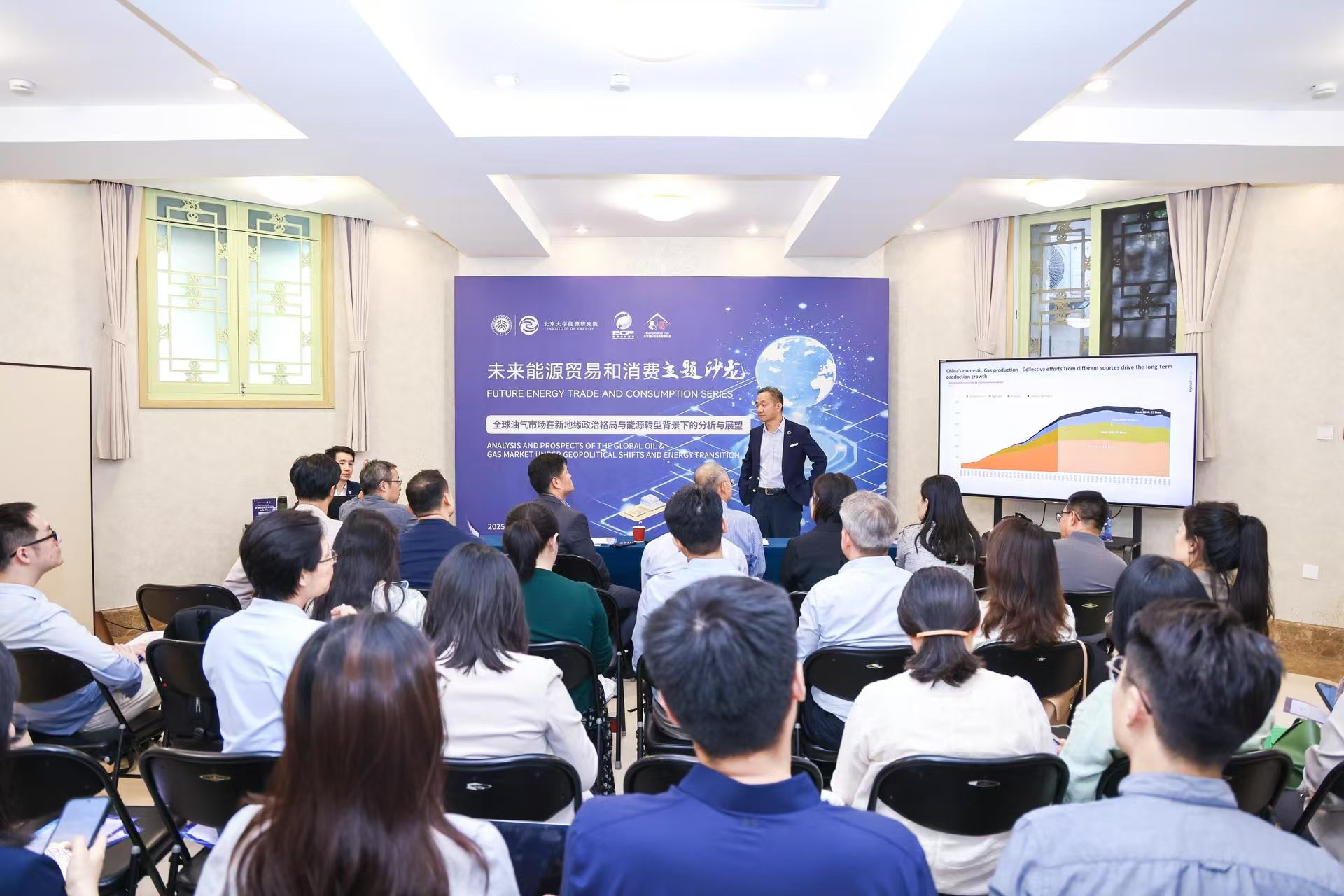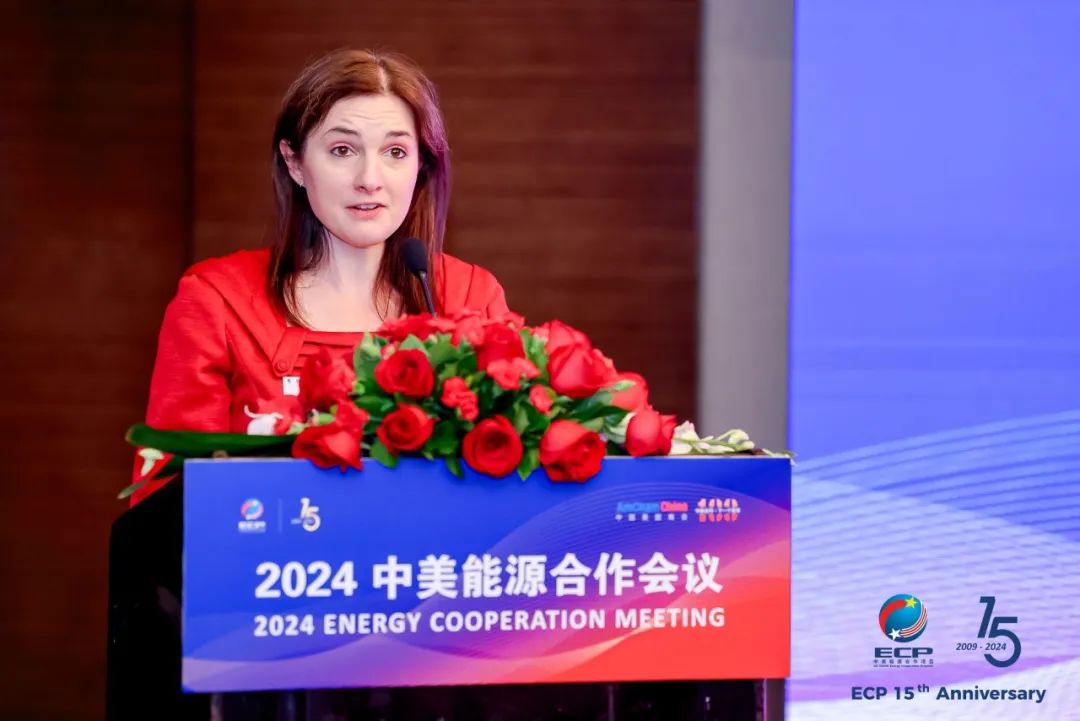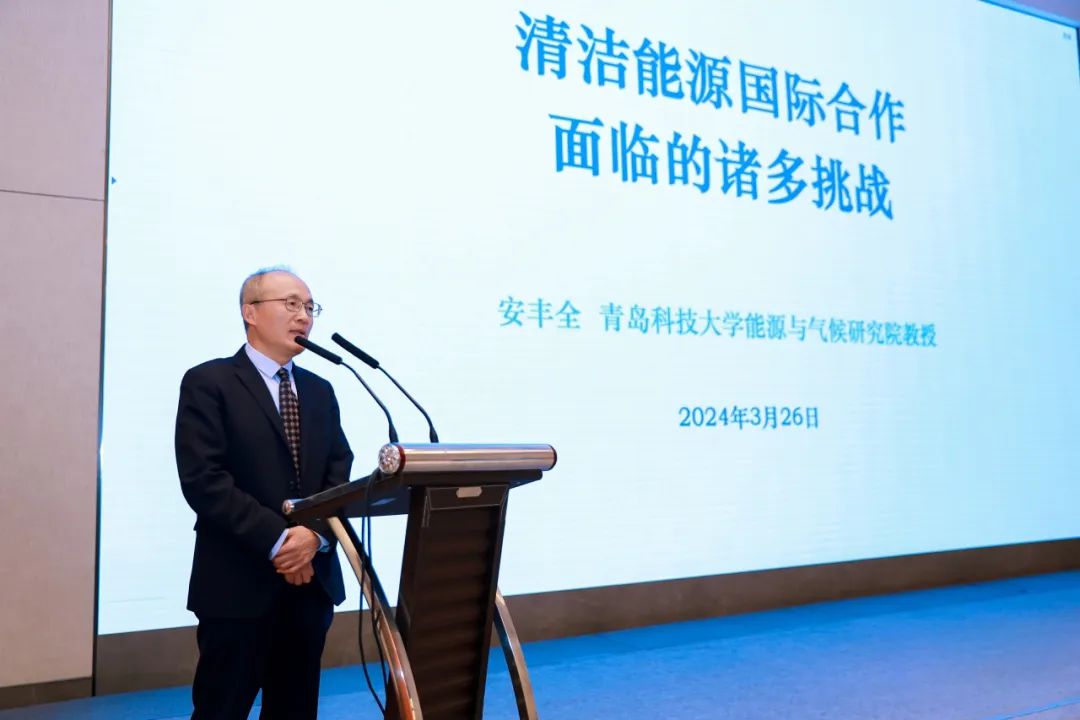
On June 1, 2026, ECP in partnership with the Institute of Energy at Peking University and the Beijing Energy Club, convened the fourth session of the Future Energy Trade and Consumption Salon Series at the Four Seasons Hall of Peking University. The session focused on the impact of the Middle East conflict on the global energy system. The hosts invited Mr. Claudio Galimberti, Chief Economist and Global Director of Market Analysis at Rystad Energy, to deliver the keynote presentation. The event was moderated by Dr. Yang Lei, Vice Dean of the Institute of Energy at Peking University, and brought together more than 40 experts and representatives from international and Chinese energy companies, international organizations, policy research institutions, and industry media.
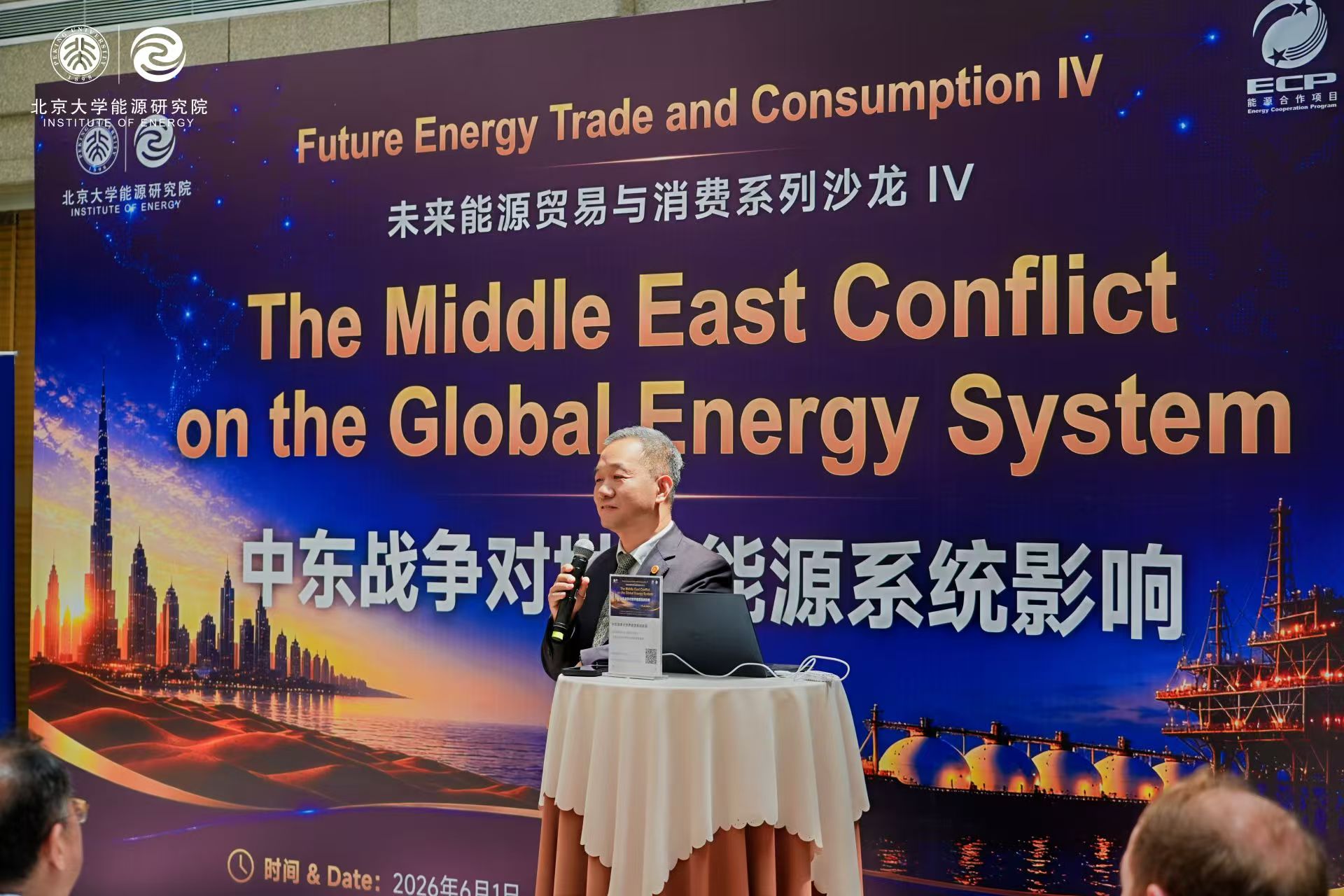
Addressing the market’s immediate concerns, Mr. Galimberti placed the current situation in the context of major global energy crises over the past half-century. He examined how disruption to the Strait of Hormuz could reshape crude oil flows and affect the export volumes and revenues of producing countries, as well as global energy demand. He noted that markets supported by bypass infrastructure, diversified sources of supply, and sufficient strategic reserves are better positioned to absorb short-term shocks. China’s strategic reserves and diversified gas supply portfolio provide additional resilience against near-term disruptions.
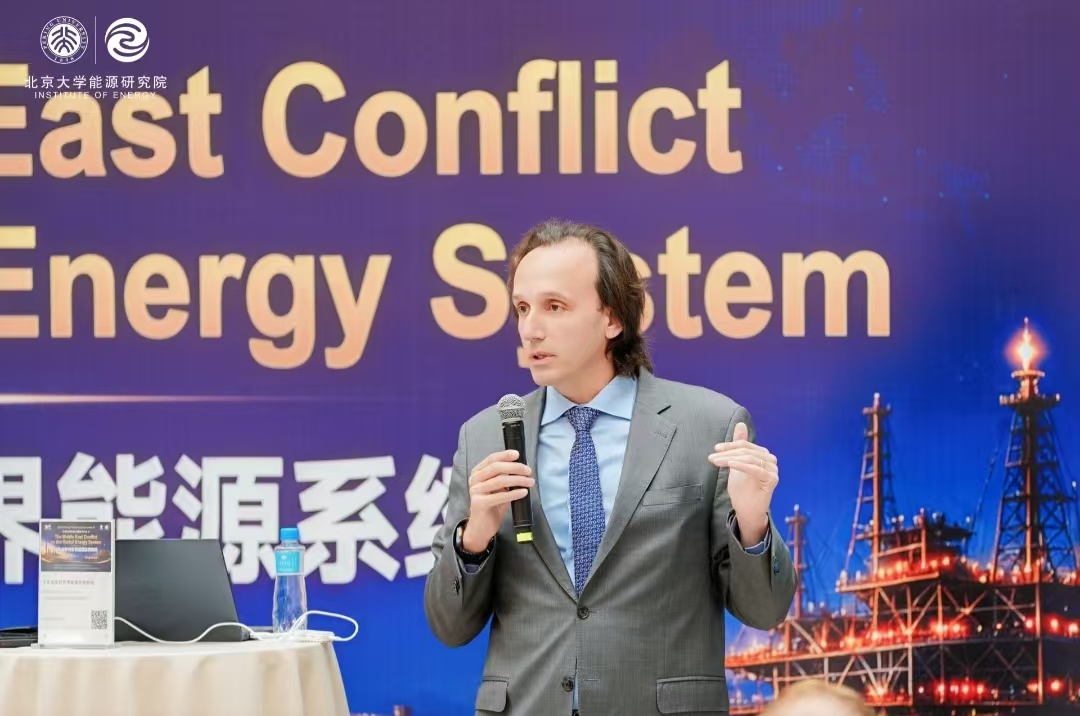
Mr. Galimberti outlined four possible scenarios for the evolution of the situation, ranging from a comprehensive resolution and a limited agreement to renewed conflict and a prolonged stalemate. Each scenario would imply a different pace of supply recovery and a different oil-price trajectory. He also compared the uneven macroeconomic effects of higher energy prices on Europe and the United States. Drawing on lessons from the oil shocks of the 1970s and the subsequent shale revolution, he observed that sustained price pressure could encourage additional oil and gas investment outside the Middle East over the medium to long term. The keynote also considered whether the current disruption could leave a structural imprint on the global energy system or whether markets would return to their previous course once tensions ease. If geopolitical risk becomes persistently embedded in energy pricing, governments and companies may shift further from efficiency-first strategies toward security and resilience. This would lead to a reassessment of strategic reserves, LNG, renewable-energy deployment, and domestic supply capacity. Mr. Galimberti also discussed rising electricity demand from artificial intelligence and data centers, growing electric-vehicle penetration, and the diverging power and clean-energy strategies of countries with different resource endowments.
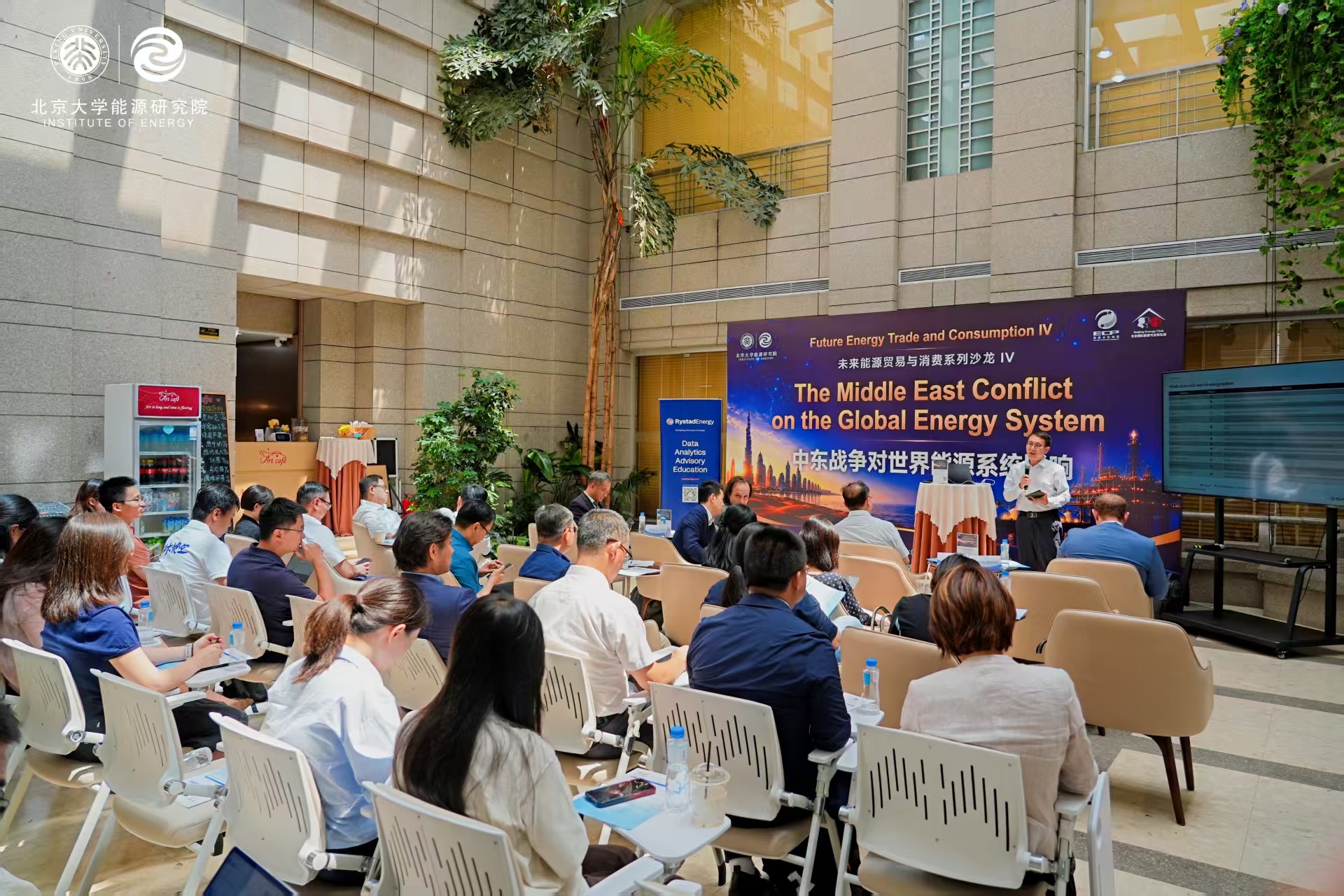
During the interactive discussion, participants exchanged views on expectation-driven investment decisions in the oil and gas industry, the strategic role of sustainable aviation fuel, opportunities for international cooperation in new energy, and the restructuring of global natural gas trade. As a platform connecting international and Chinese energy companies, research institutions, and policymakers, ECP will continue to convene focused dialogues on global energy security, market developments, and the low-carbon transition, while promoting professional exchange, industry matchmaking, and practical cooperation.