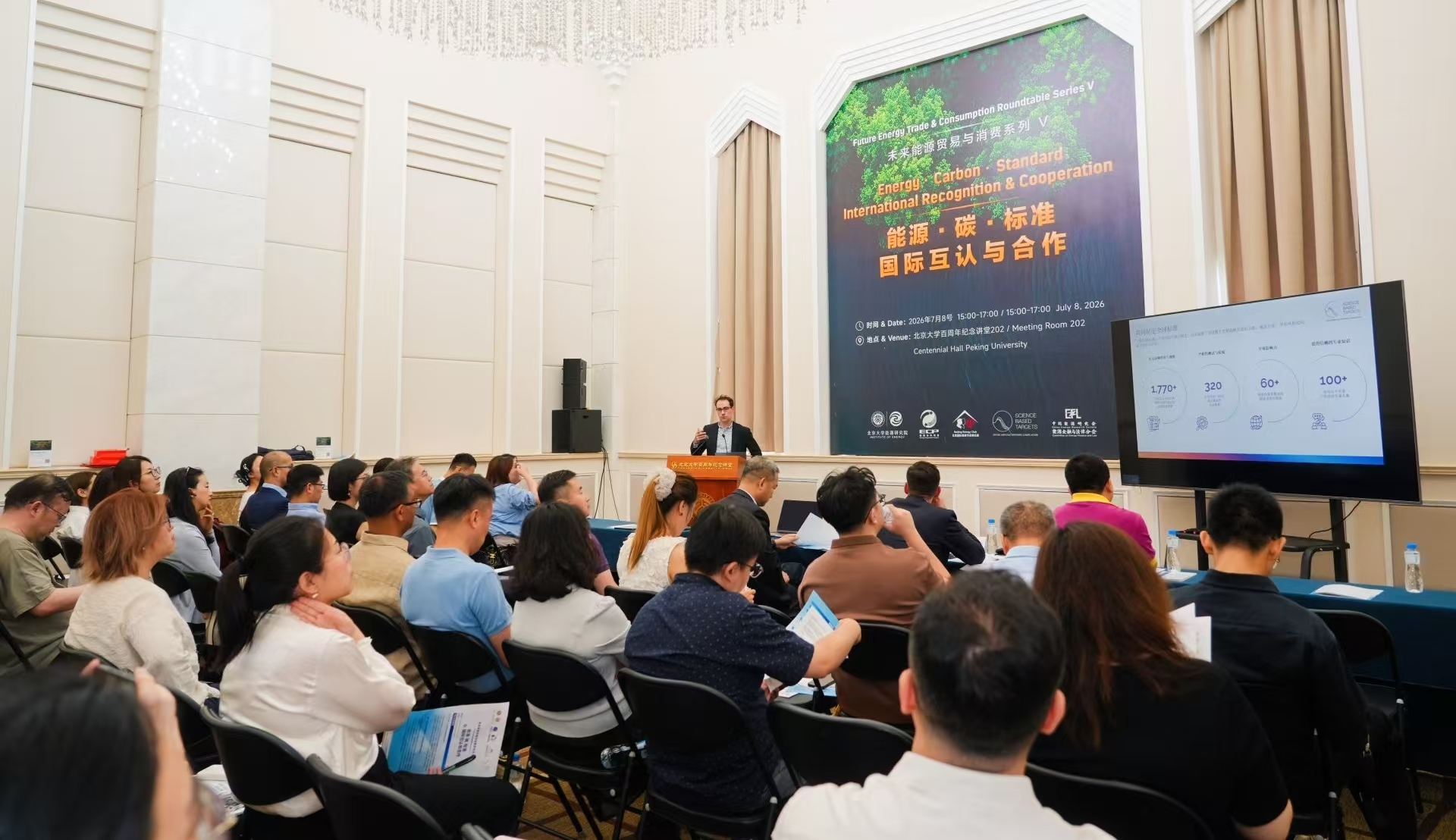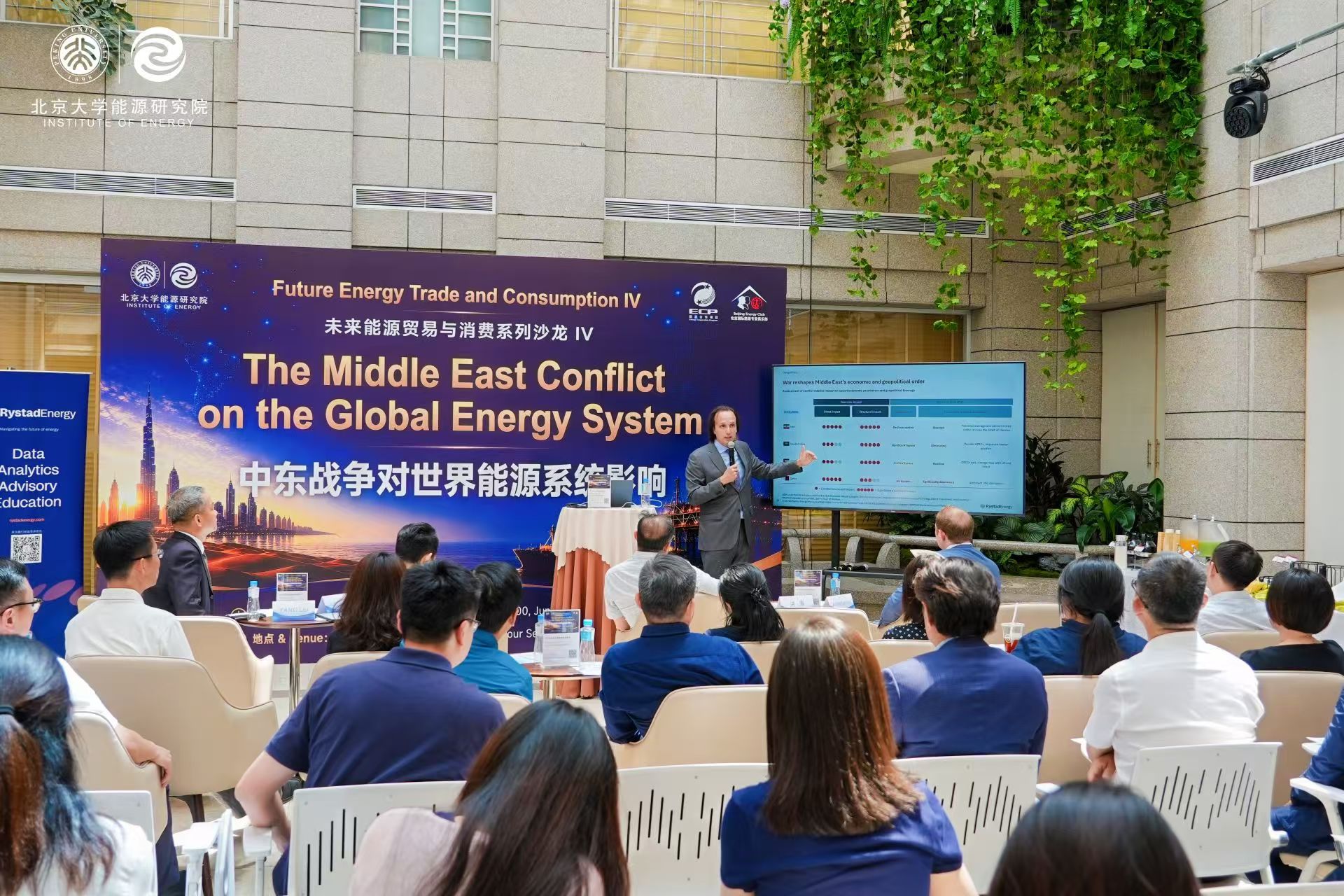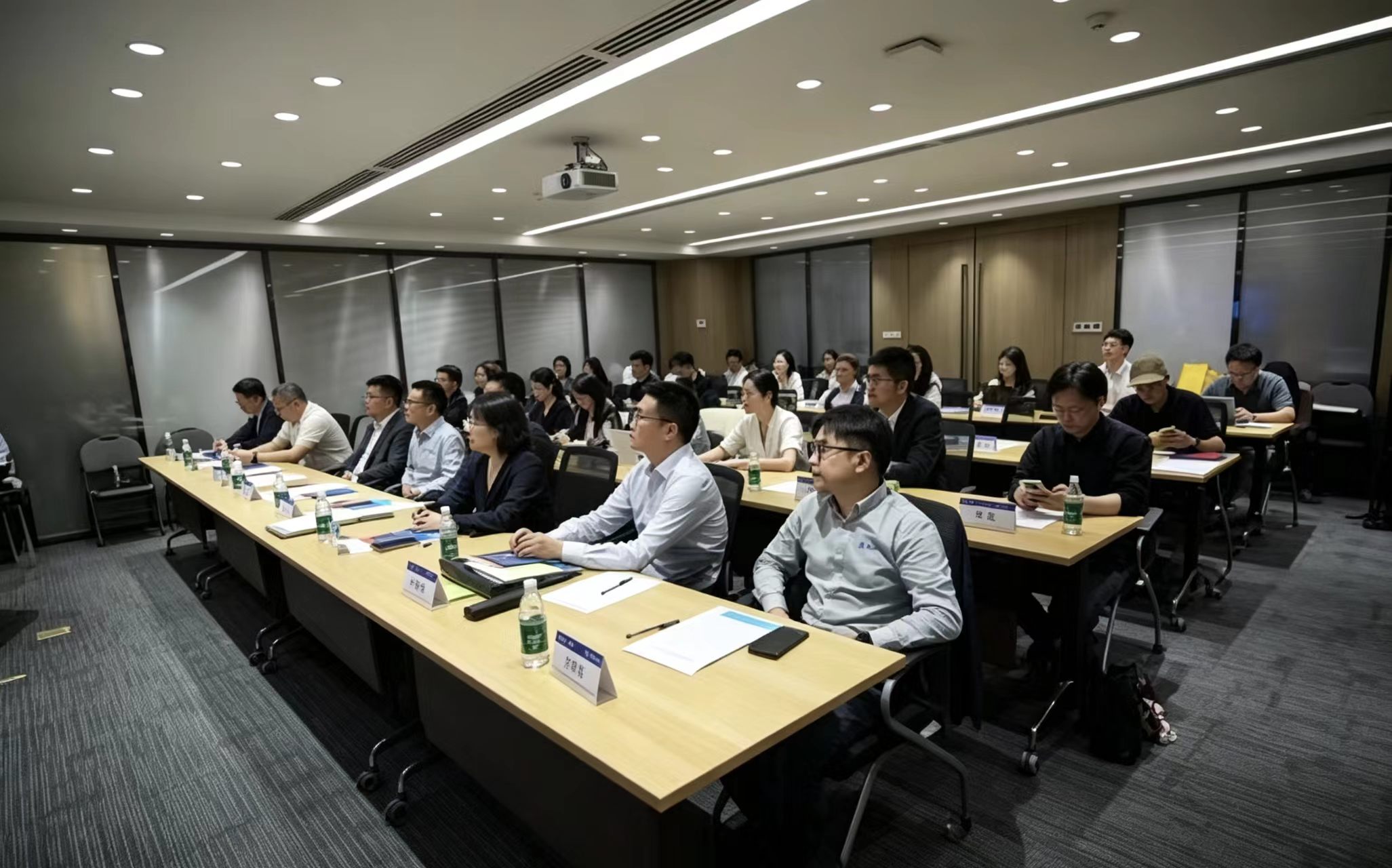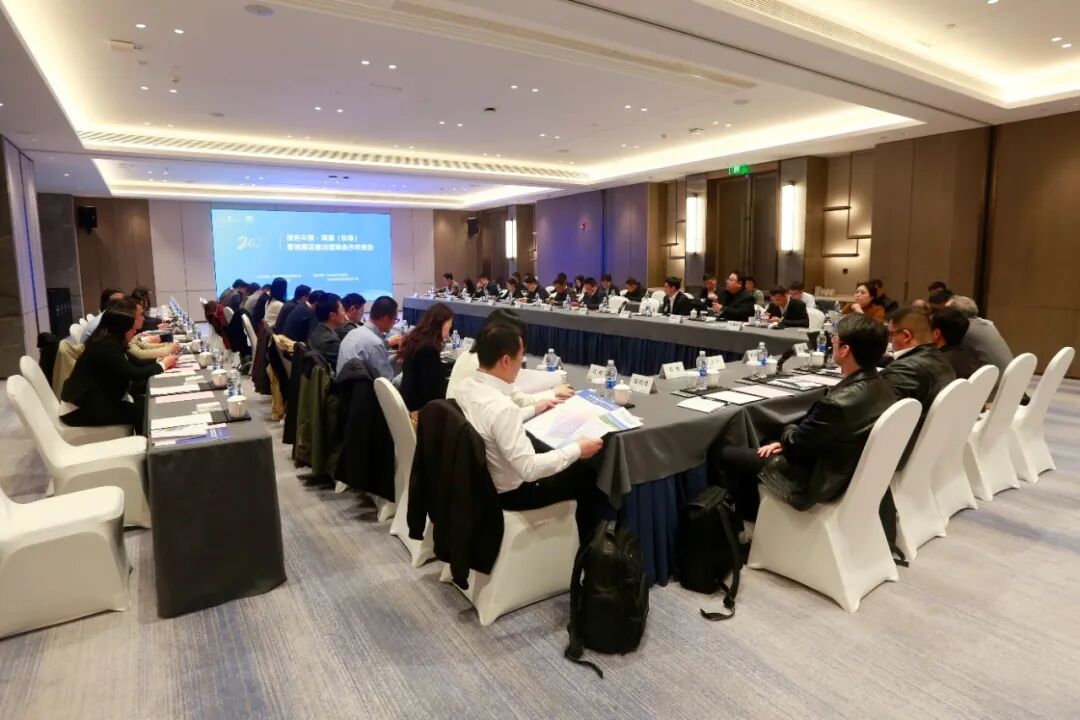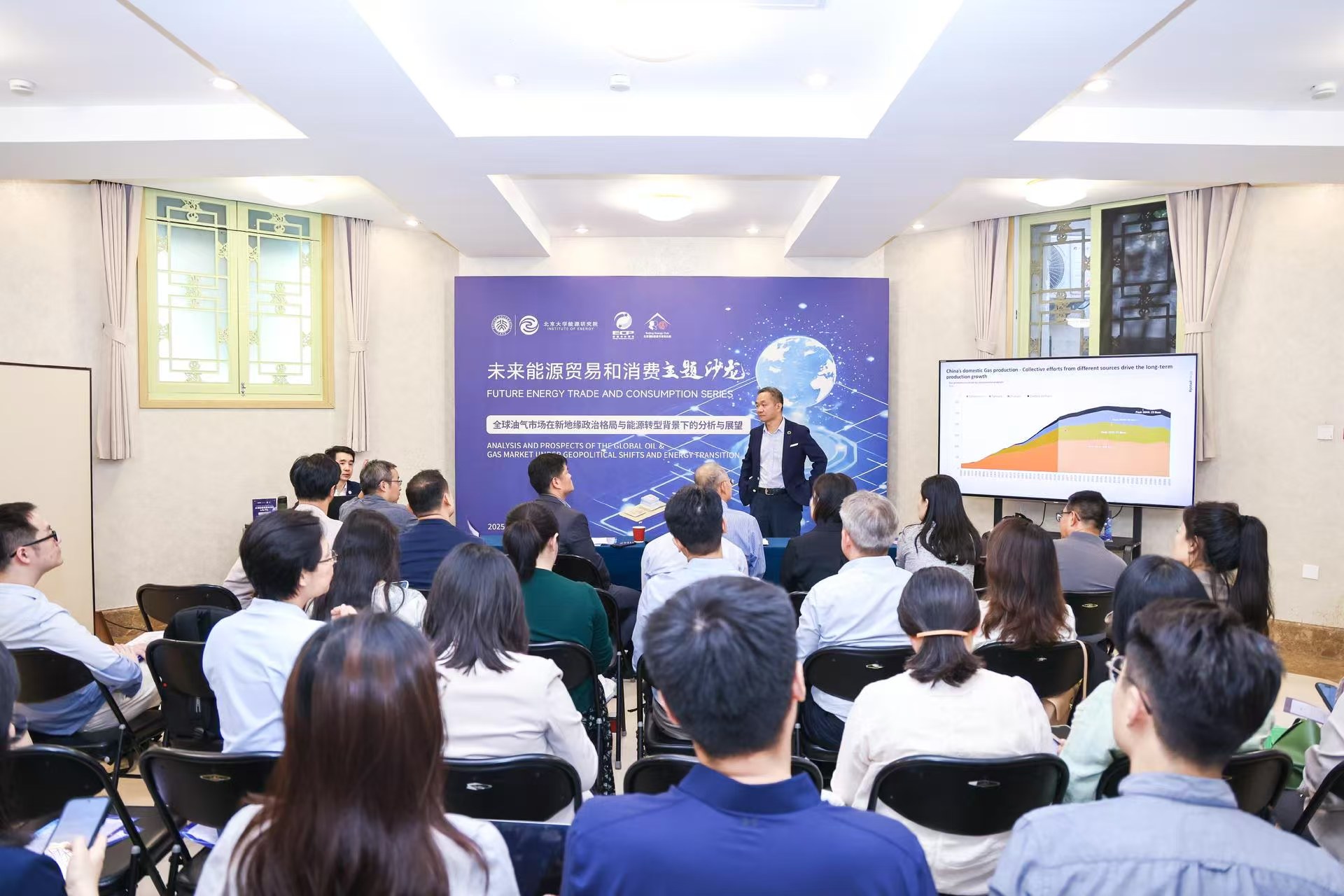
On September 29, 2026, the 6th session of the Future Energy Trade & Consumption Salon Series, the 15th Five-Year-Plan Energy Planning — Strategic Repositioning and Growth Opportunities for the Sustainable Development of the Natural Gas Industry — was successfully held at the Stanford Center at Peking University. Jointly hosted by IEPKU, ECP, and the Beijing Energy Club, the salon featured in-depth exchanges on topics including analysis of the industry landscape, policy orientation and role reshaping, exploration of new growth scenarios, cost reduction, efficiency improvement, and institutional reform. More than 50 guests from domestic and international oil and gas companies, industry institutions and think tanks attended the event.

Dr. Yang Lei, Vice President of IEPKU, and Mr. Chris Li Yuan, China Chief Representative of Cheniere Energy and Board Co-Chair of ECP, delivered welcome remarks. Dr. Yang Lei welcomed the guests and moderated this salon with an introduction to the background and mission of this salon. Drawing on twenty years of experience on both the buyer and seller sides of the natural gas business, Mr. Chris Li shared his observations on the international LNG market, noting that although international gas prices stay at a high level, new application scenarios are emerging, the domestic receiving station layout keeps its development, and the Chinese market still has growth potential, so the Chinese market still remains considerable potential. He emphasized that establishing a market-based, transparent and liquid benchmark price is key to China playing a greater role in international natural gas trade.

Dr. Dai Jiaquan, Chief Economist of the Economics and Technology Research Institute of China National Petroleum Corporation (CNPC), delivered a keynote presentation titled the 15th Five-Year Plan Energy Planning, the Strategic Repositioning and Growth Opportunities for the Sustainable Development of the Natural Gas Industry. He systematically reviewed the development of China’s natural gas market over the past two decades and pointed out that, driven by prioritized infrastructure development and policy incentives, the industry had long maintained rapid growth but has now entered a period of slower growth, with this year’s natural gas consumption potentially registering its first-ever annual decline; insufficient economic competitiveness has become the greatest challenge constraining the industry’s development. He noted that the newly revised Natural Gas Utilization Policy no longer emphasizes “increasing the share of consumption” but instead highlights a new positioning of “multi-energy complementarity, coordinated development with new energy, and safeguarding the security and stability of the energy system.” By 2030, domestic natural gas consumption is expected to reach 550 billion cubic meters, with domestically produced gas steadily rising to 300 billion cubic meters. Looking ahead to the 15thFYP, as the “ballast” and “flexibility regulator” of the new energy system, natural gas will find its new growth points mainly in coal-to-gas substitution in the industrial sector, the continued substitution of LNG for diesel in long-haul heavy-duty transport, region-specific development of gas-fired peaking power, and multi-energy integration scenarios such as hydrogen blending in pipelines and bio-natural gas.

Dr. An Fengquan, Professor at the Institute of Climate Change and Sustainable Energy Development at Qingdao University of Science and Technology, delivered a special presentation. He stated that confidence should be maintained in the long-term development of the natural gas industry, as natural gas is an indispensable energy source for safeguarding energy security and supporting the energy transition. In building the new energy system, natural gas interacts with and develops in coordination with renewable energy and the power system; the industry should exercise its own initiative and, through the combination of an effective market and a proactive government, promote moderate and reasonable growth of natural gas.

In the subsequent open discussion session, participants engaged in lively exchanges on topics including reducing costs across the entire natural gas industrial chain, fair and open access to pipeline network infrastructure and capacity allocation mechanisms, market-oriented reform of natural gas pricing, coordination between capacity allocation mechanisms and policies, the impact of the “dual carbon control” policy, and the development of bio-natural gas.

The Future Energy Trade & Consumption Salon Series will continue to focus on important and cutting-edge topics in energy trade, low-carbon transition and international cooperation, build a platform for in-depth industry dialogue and cooperation, and provide professional support for the low-carbon transition and practical cooperation of the energy industry.