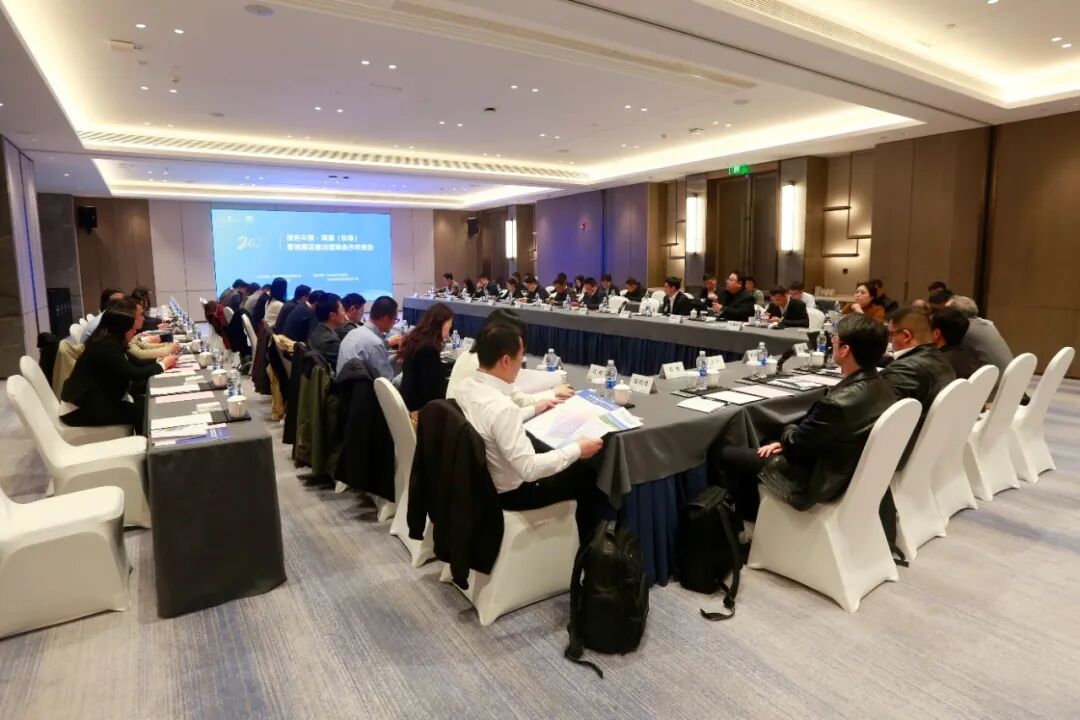
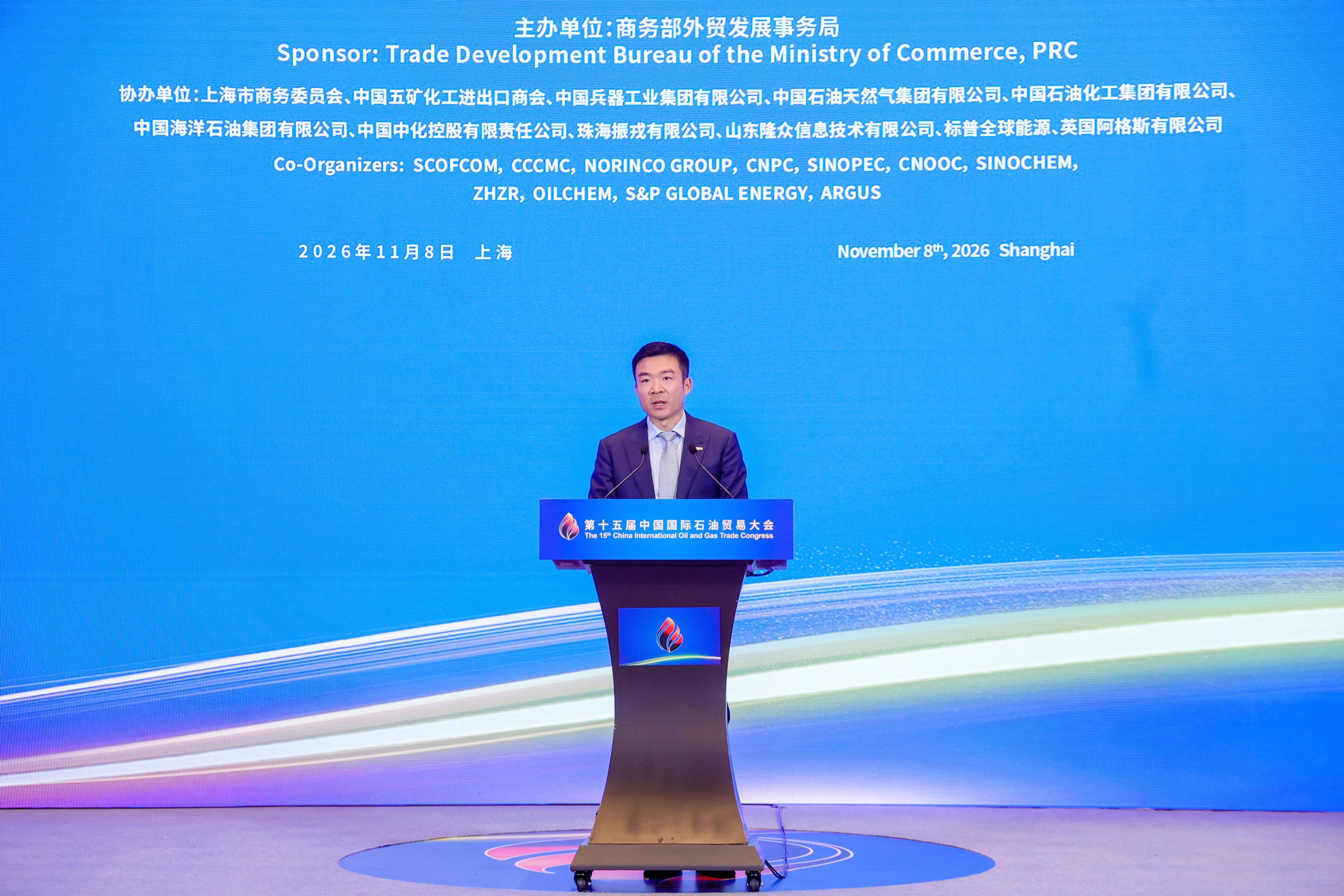
On November 8, 2026, the 15th China International Petroleum Trade Conference, hosted by the Trade Development Bureau of the Ministry of Commerce, was held in Shanghai. Mr. Yan Dong, Vice Minister of Commerce, and Mr. Lu Shan, Vice Mayor of the Shanghai Municipal People's Government, delivered opening remarks, while leaders and representatives of domestic and international oil and gas companies attended the conference. Under the theme "Openness and Connectivity: Building a New Pattern of International Oil and Gas Trade Cooperation," the conference responded to the needs of the industry and consolidated consensus across the sector, injecting fresh momentum into deepening international energy cooperation and enabling oil and gas trade to grow more interconnected through openness and to upgrade through cooperation. More than 300 delegates from 14 countries attended the conference.
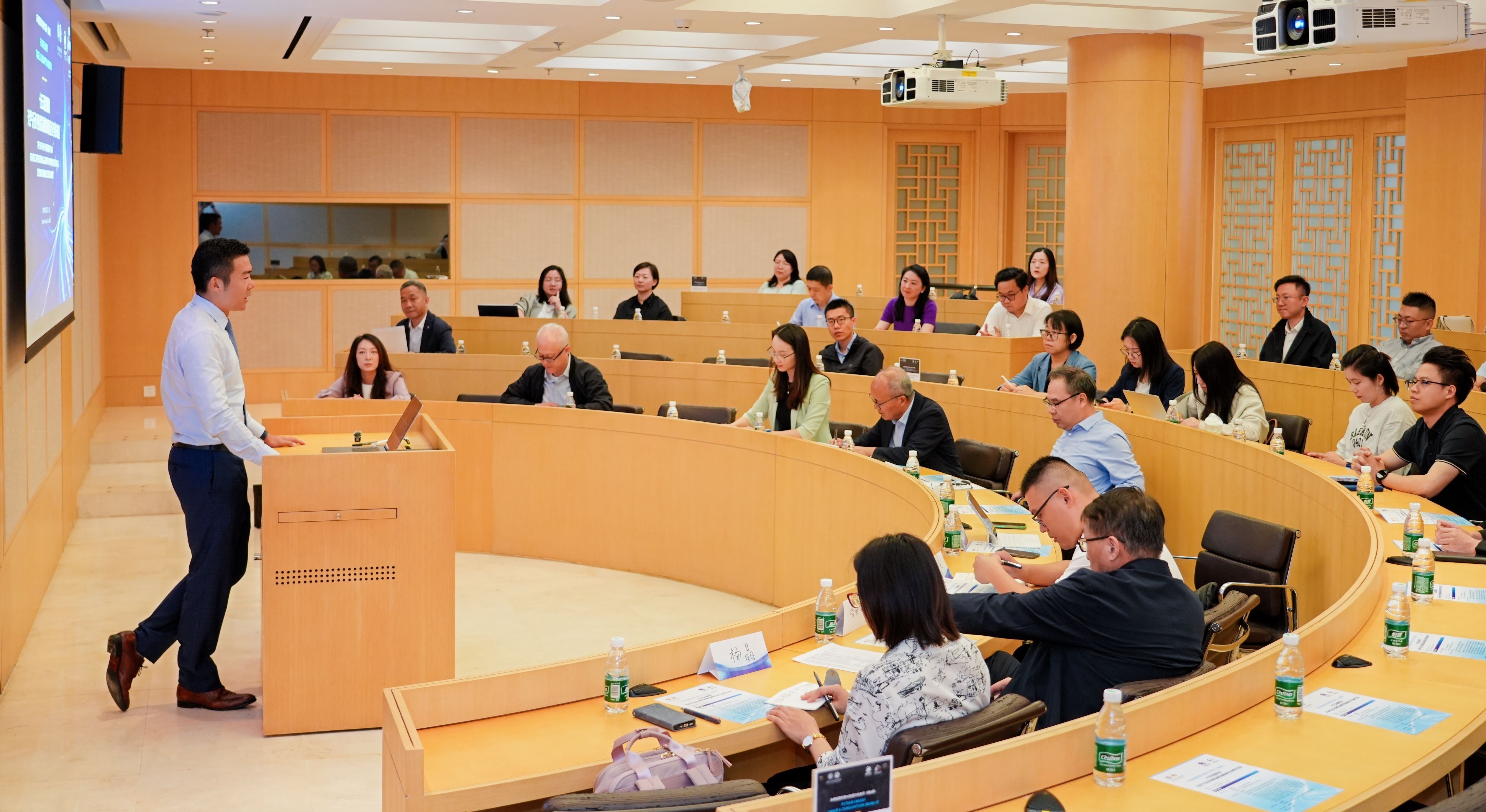
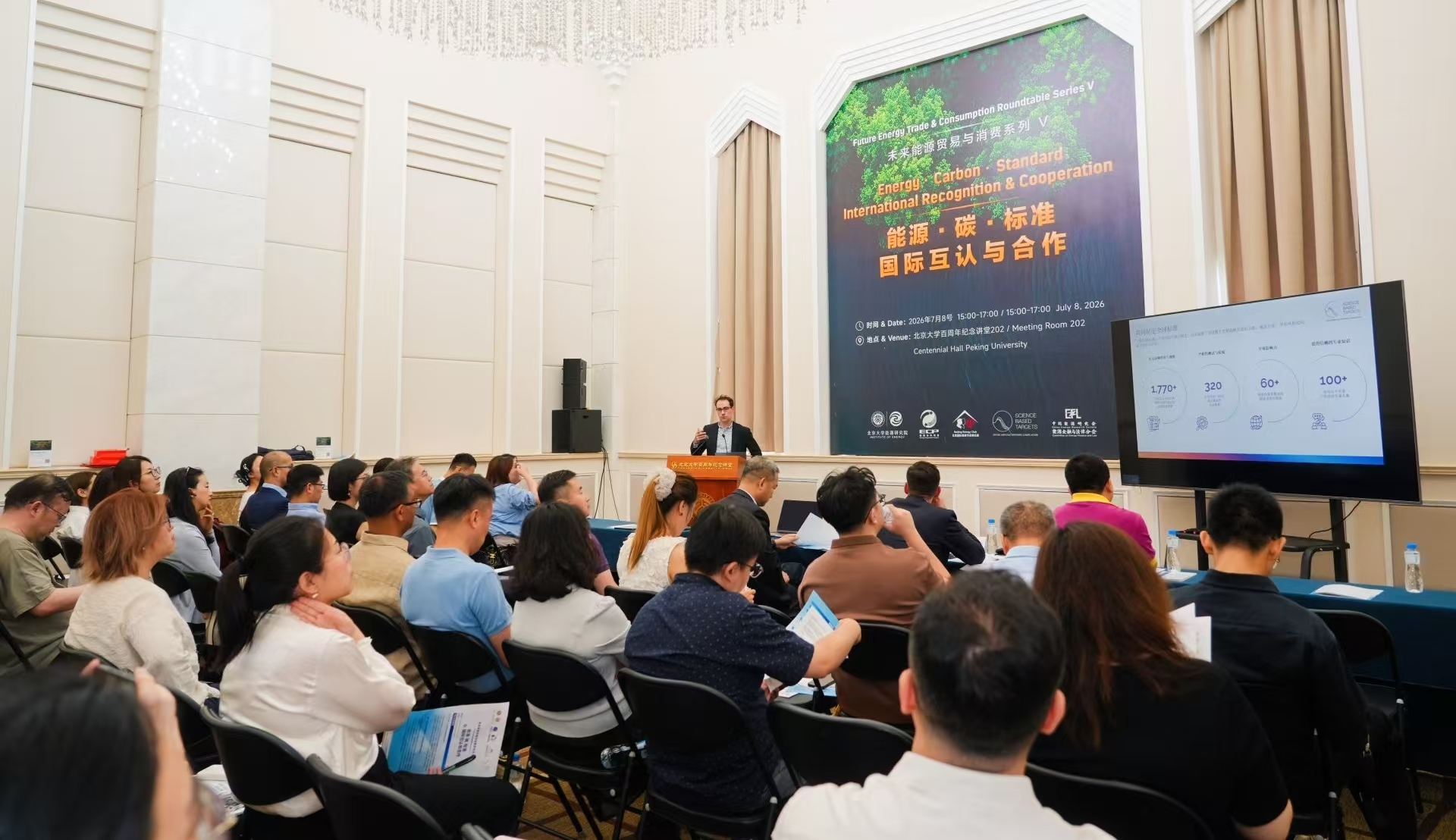
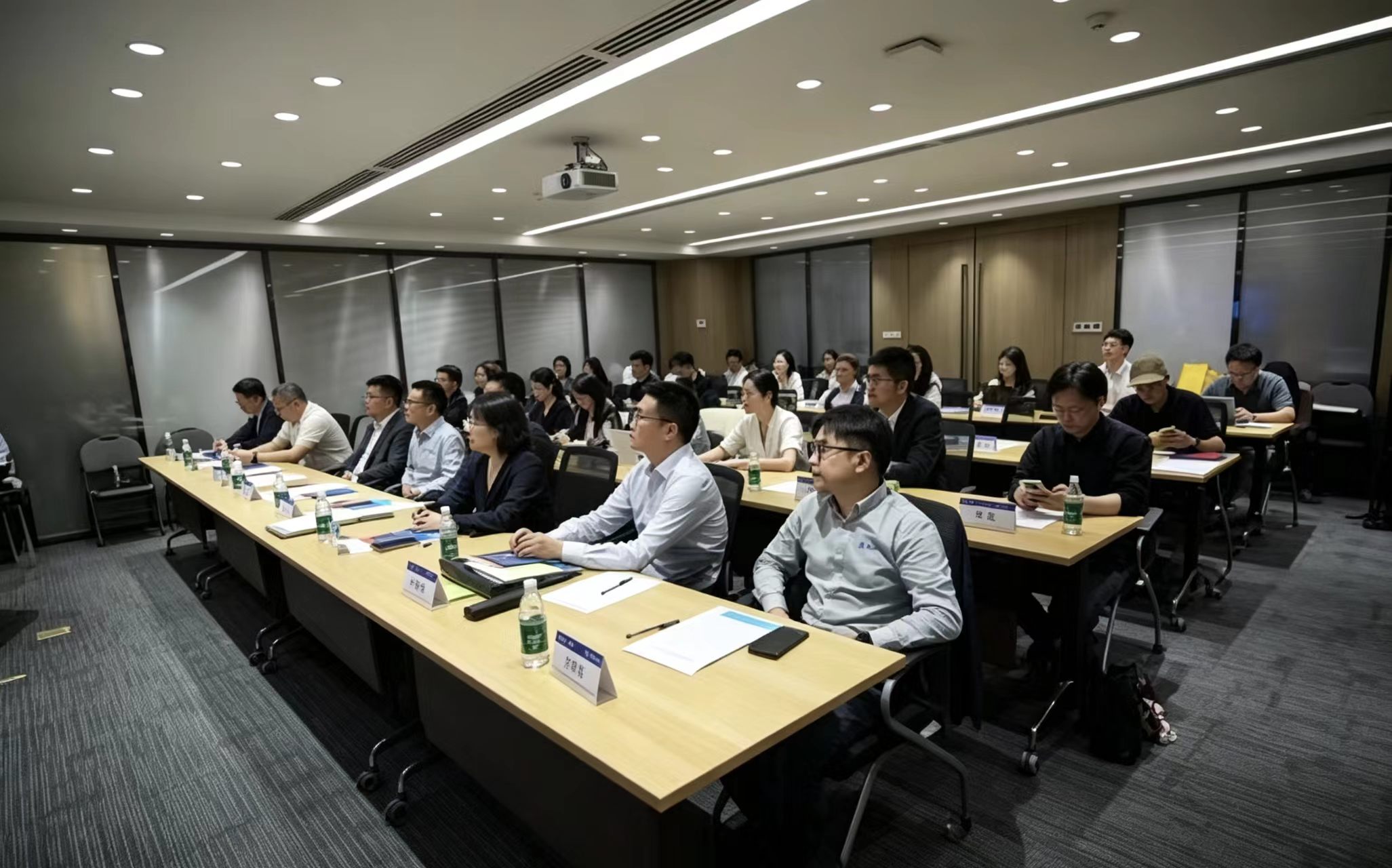
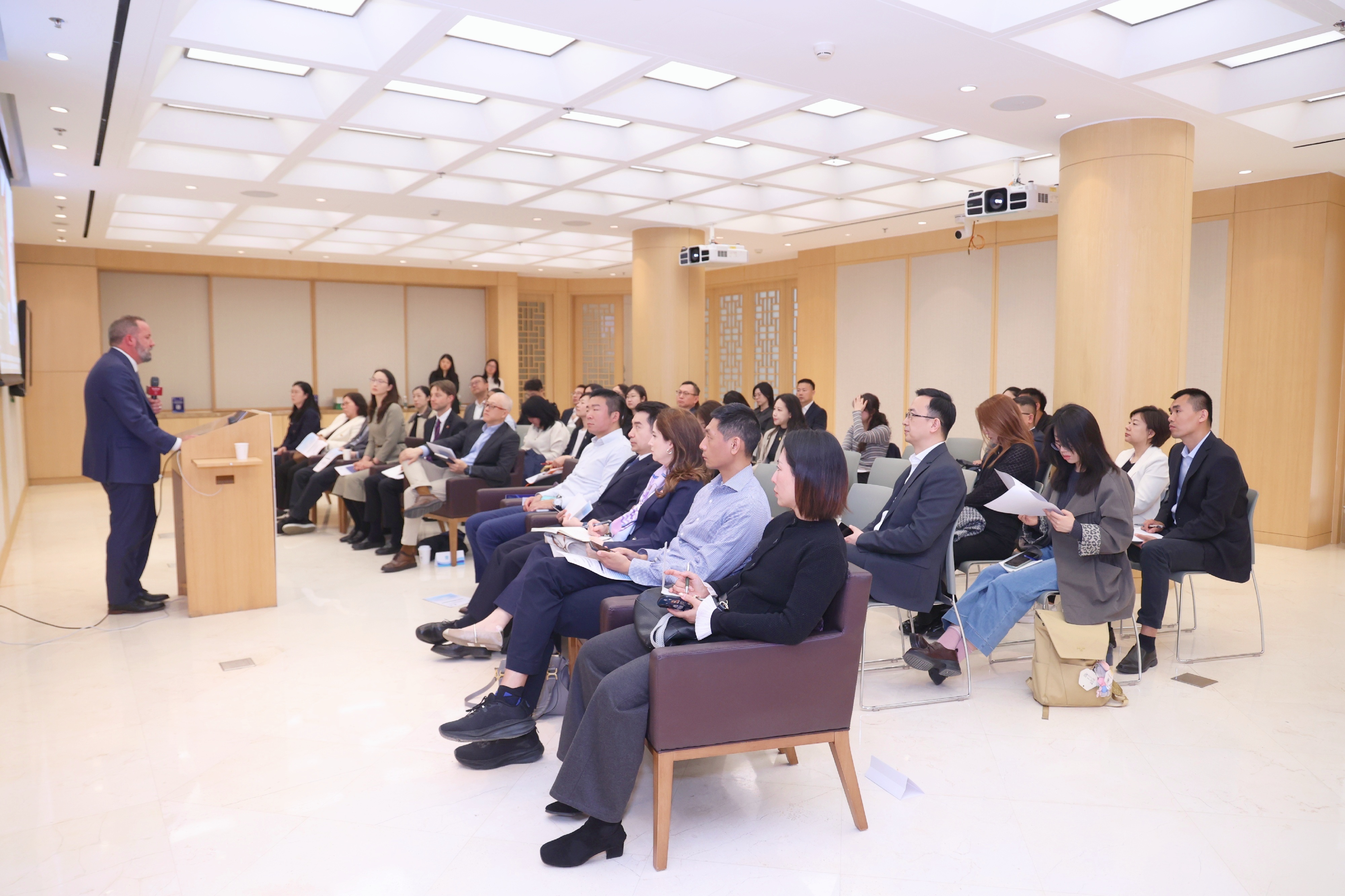
ECP has long been committed to promoting international cooperation in energy trade and has attended the conference annually since 2020. This year, Mr. Li Yuan, ECP Co-Chair and Chief Representative of Cheniere Energy in China, delivered a keynote speech on enhancing energy resilience at the main forum. ECP was also invited for the first time to support and organize a side event, the "Future Energy Trade and Cooperation Forum," which brought together nearly 100 professionals from oil and gas trading platforms, industry associations, trading companies, international certification bodies, and standards-setting organizations. The participants engaged in in-depth discussions on three major topics: how traditional oil and gas trade can maintain resilient growth amid a complex geopolitical landscape; the emerging trade landscape for blue and green hydrogen, ammonia and methanol, together with the importance of international mutual recognition and standards systems; and the application prospects of artificial intelligence in restructuring the energy trade system.
In the keynote session, Wang Zhixin, Deputy General Manager of the Shanghai Petroleum and Natural Gas Exchange, gave a systematic review of the market-oriented reform of China's natural gas trading. He noted that in 2025 the Exchange's bilateral natural gas trading volume reached 143.4 billion cubic meters, with membership growing to 6,149, including 99 international members, and that market-based natural gas trading in China is evolving toward multi-period, multi-product and futures-spot linkage models. Pang Guanglian, Secretary-General of the China Petroleum and Chemical Industry Federation (CPCIF) and Chairman of its Foreign Investment Committee, outlined the medium- and long-term picture of low-carbon energy trade, pointing out that blue and green hydrogen, ammonia and methanol will form the next wave of energy trade. He stressed that hydrogen is not suitable for large-scale cross-border transportation, and that the global consensus is to convert it locally into ammonia and methanol before export. Noting that China's SAF and green ammonia exports have already achieved breakthroughs, he proposed the judgment of "certification first, long-term contracts second, price third," and called for a dual-track approach in which "oil and gas hold the foundation while blue and green hydrogen, ammonia and methanol open up new ground." He Jianyu, Senior Advisor of Sinochem Oil Co., Ltd., pointed out that AI is driving the restructuring of trading operations into a four-stage model of "intelligence - decision - execution - compliance," with core assets expanding toward "data and models," while noting that AI cannot eliminate the systemic vulnerability arising from physical supply-chain disruptions.
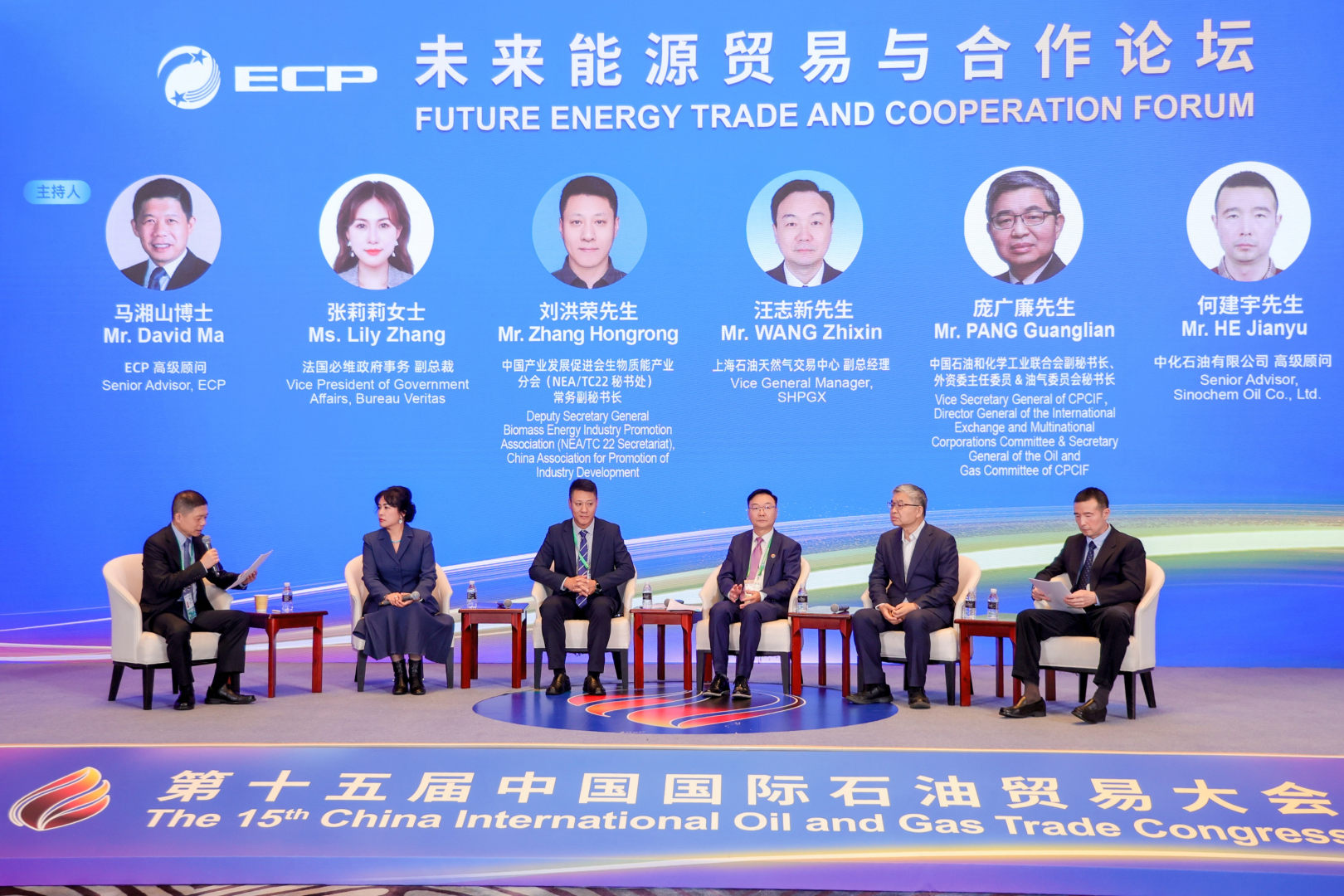
In the panel discussion session, Zhang Lili, Vice President of Government Affairs of Bureau Veritas, said that mutual recognition between Chinese and international certification systems faces challenges, and enterprises should strengthen capacity building and seek consolidated audits; compliance has evolved from a back-office review into a prerequisite that must be completed before a deal is closed. Liu Hongrong, Executive Deputy Secretary-General of the Biomass Energy Industry Branch of the China Industrial Development Promotion Association (NEA/TC22), used the questions "Can it be burned? Can it be sold? At what price?" to vividly define the distinct roles of quality standards, sustainability certification and carbon accounting. Wang Zhixin added that the Exchange will promote on-site signing of annual contracts to strengthen gas-power coordination and encourage green gas trading. Pang Guanglian emphasized that industry associations should, amid the reshaping of rules, base themselves on China's industrial interests, actively participate in shaping international green and carbon market rules, translate Chinese practice into "Chinese solutions," and secure favorable institutional arrangements in standards mutual recognition and carbon footprint accounting. He Jianyu further noted that data and algorithms are becoming new barriers, and that enterprises should start from market intelligence, strengthen their data foundations, move compliance upstream, and build computable competitiveness in stages. The participants reached a consensus: in the window period where the reshaping of rules and physical shocks intertwine, future energy trade should adhere to the principles of "certification first, long-term contracts as the anchor, platform empowerment, and mutual recognition for win-win outcomes." This will become the essential path for the transformation and development of the oil and gas industry.